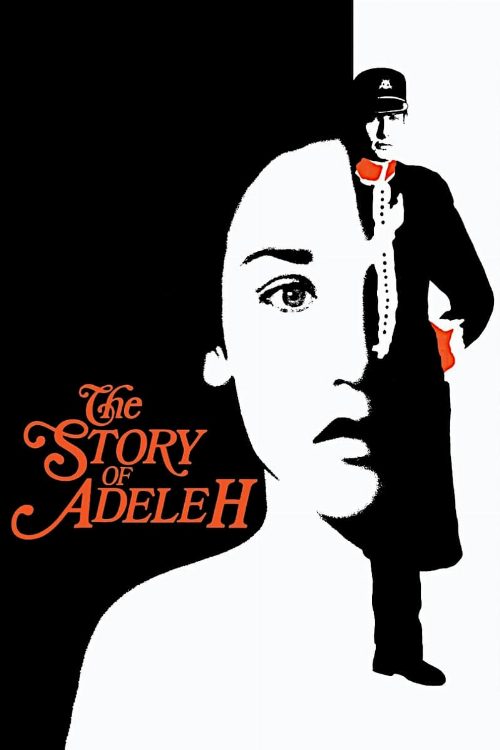
About The Story of Adèle H.
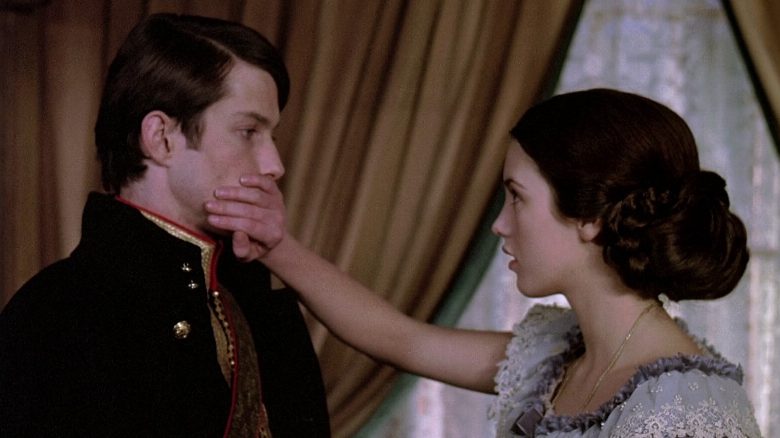
In the 19th century a mysterious woman named Adele H. crosses the ocean, from Europe to North America, to relentlessly pursue an handsome officer that denies her satisfaction.
Francois Truffaut remains a titan of the French New Wave, yet his 1975 masterpiece The Story of Adele H. stands apart as a haunting study of obsession that transcends the typical romantic drama. While many period pieces of the era leaned into opulent aesthetics, this film strips away the artifice of the nineteenth century to focus entirely on the psychological disintegration of its protagonist. By centering the narrative on the daughter of Victor Hugo, Truffaut crafts a claustrophobic portrait of unrequited longing that feels surprisingly modern in its intensity. The film avoids the trap of glorifying its lead character, instead presenting her descent into madness with a clinical, observational detachment that makes her unraveling all the more difficult to witness.
For viewers accustomed to the high-energy narratives found in contemporary Indian cinema, where grand emotional declarations are often accompanied by sweeping musical scores, this film offers a starkly different experience. It is a quiet, internal journey that demands patience, rewarding the audience with a profound look at how fixation can erode one's identity. This is not a tale of star-crossed lovers in the traditional sense, but rather a chilling examination of a woman who has completely detached from reality in favor of a singular, destructive goal. It resonates with audiences who appreciate character-driven dramas that prioritize nuanced performance over explosive plot developments, echoing the gravity found in the more somber psychological works of global auteur cinema.
Isabelle Adjani delivers a performance of rare raw power, embodying a fragility that masks a terrifying, iron-willed resolve. Her portrayal captures the specific anguish of a person trapped by their own history and expectations, providing a masterclass in subtlety that anchors the entire film. For those who track the evolution of European historical dramas, this remains a cornerstone production that challenged the conventions of how biographies were presented on screen. It is an essential watch for cinephiles who seek to understand the intersection of literary history and personal trauma. By rejecting the typical tropes of period romance, Truffaut ensures that the story remains a timeless meditation on the human psyche, serving as a reminder that the most devastating battles are often those fought entirely within the confines of one's own mind.
Cast(22)