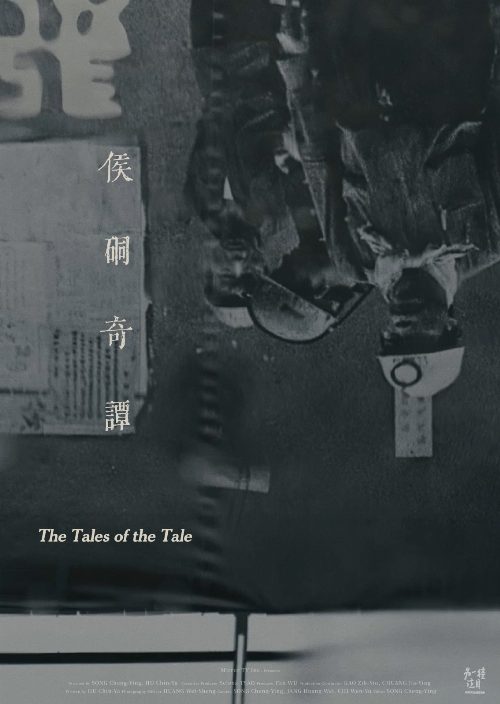
About The Tales of the Tale
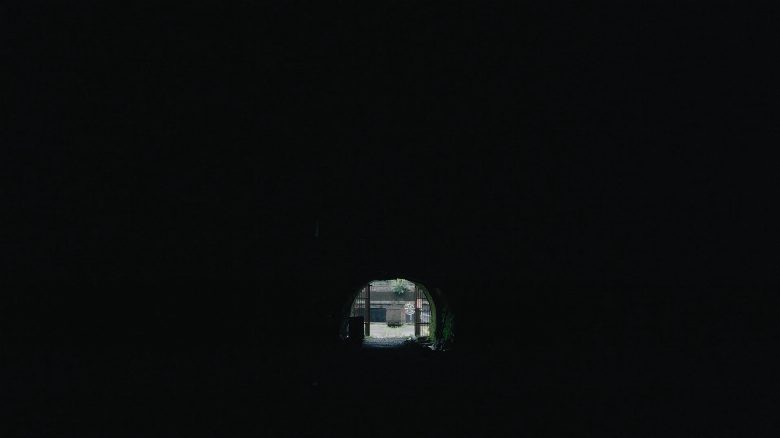
The once prosperous mining town of Houtong. The film collects voices of elderly folk who lived through those times—encounters with the supernatural. Their stories are lights cast down into the darkness of that near-faded history.
Deep within the mist-covered landscapes of Taiwan, filmmaker Chin-Ya Hu ventures into the remnants of Houtong to unearth a narrative that balances precariously between historical record and folklore. The Tales of the Tale serves as an evocative bridge connecting the industrial ambition of a bygone era with the ethereal whispers that have long haunted its former inhabitants. Rather than relying on traditional archival footage, this documentary centers its lens on the weathered faces of survivors who once navigated the dangers of the coal mines. By prioritizing these intimate, oral traditions, the film transforms what could have been a standard regional study into a haunting exploration of how memories of the inexplicable shape our understanding of the past.
While the Indian film industry often leans toward grand, high-octane spectacle or sweeping emotional dramas, there is a burgeoning global appreciation for documentaries that treat local mythology with the same gravity as historical fact. This film fits into a tradition of restorative cinema, much like the works of acclaimed directors who seek to preserve the intangible heritage of disappearing communities. By documenting the intersection of labor and the supernatural, it provides a fascinating case study for cinephiles interested in how geographical isolation fosters unique cultural cosmologies. It is a meditative experience, demanding patience from the viewer as it peels back layers of silence to reveal the ghosts of a town that once fueled a nation.
This project is essential viewing for those who find beauty in melancholic, character-driven storytelling. It is not merely an exercise in nostalgia; it is a deliberate act of cultural preservation that challenges the clinical objectivity of mainstream historical documentaries. Fans of slow-burn narratives that rely on ambient atmosphere and the raw, unfiltered honesty of their subjects will find themselves captivated by the rhythmic cadence of the interviews. Chin-Ya Hu demonstrates a remarkable sensitivity to the vulnerability of her subjects, ensuring that the project feels less like an extraction of data and more like a shared act of remembrance. As we see more international markets opening up to diverse, non-fiction storytelling, this film stands as a poignant reminder that even the most obscure corners of the globe hold stories that deserve to be heard before they vanish into the shadows of modernity.