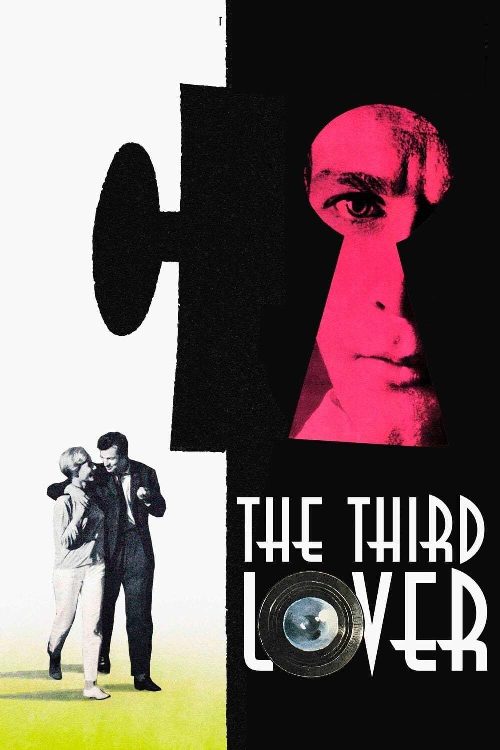
The Third Lover(1962)
About The Third Lover
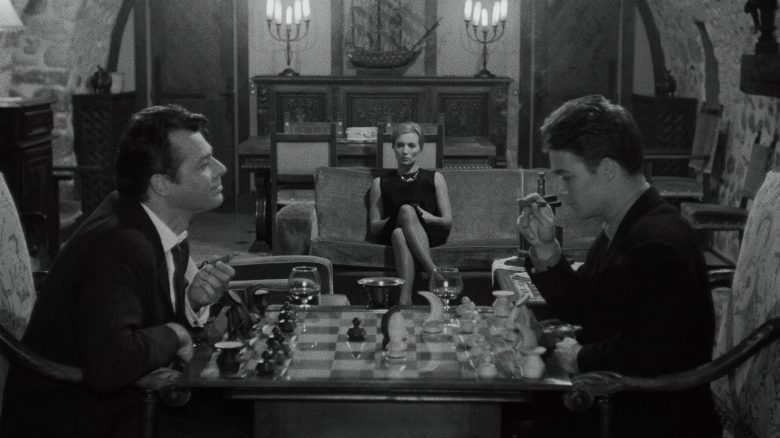
On a work assignment in Germany, failed journalist Albin crosses paths with Andreas, a successful writer, and his wife Hélène, who quickly becomes the apple of Albin’s eye. While Andreas is off on a business trip, Albin tries to seduce Hélèn and, eventually, take over Andreas’ life
Claude Chabrol remains a titan of European cinema, often celebrated for his clinical dissection of the bourgeoisie, and his 1962 feature The Third Lover serves as a chilling testament to his fascination with obsession and social aspiration. Set against the backdrop of post-war Germany, the narrative follows Albin, a struggling freelancer whose professional inadequacy fuels a burgeoning, dangerous envy toward an established novelist. By infiltrating the domestic sanctuary of a successful couple, the protagonist transforms from a mere guest into a calculated predator. Unlike the grand, sweeping melodramas of mid-century Indian cinema, where emotional stakes are often heightened by familial duty or societal resistance, this film adopts a cold, detached perspective that feels remarkably modern. It is a study in quiet malice, focusing on the psychological erosion of a household rather than explosive conflict.
For audiences accustomed to the intricate family dramas found in contemporary Malayalam or Hindi thrillers, this French classic offers a compelling point of comparison regarding how domestic spaces can function as battlegrounds. The film captures the mid-twentieth-century anxiety of the outsider looking in, exploring the thin veneer of civility that masks deep-seated resentment. It is not a thriller defined by high-octane chases, but rather by the slow, suffocating tightening of a snare. Viewers who appreciate slow-burn narratives where the tension is derived from dialogue and subtle shifts in power dynamics will find this work particularly engaging. It reflects a period when European filmmakers were moving away from traditional storytelling toward a more introspective and cynical examination of human nature.
The presence of Walther Reyer and the rest of the ensemble cast helps anchor this volatile triangle in a reality that feels both elegant and deeply unsettling. Chabrol excels at framing the environment as an accomplice to the characters' schemes, making the German setting feel like a sprawling, lonely stage for Albin’s delusions of grandeur. Fans of international cinema who enjoy dissecting the motivations of complex anti-heroes will likely find themselves drawn to the way the film treats ambition as a sickness. It remains a quintessential piece of the New Wave era, providing a masterclass in how to build suspense through character study rather than plot gimmicks. Whether one is a seasoned scholar of world cinema or simply a curious viewer searching for a sophisticated thriller, this production stands as a haunting inquiry into the destructive power of covetousness.