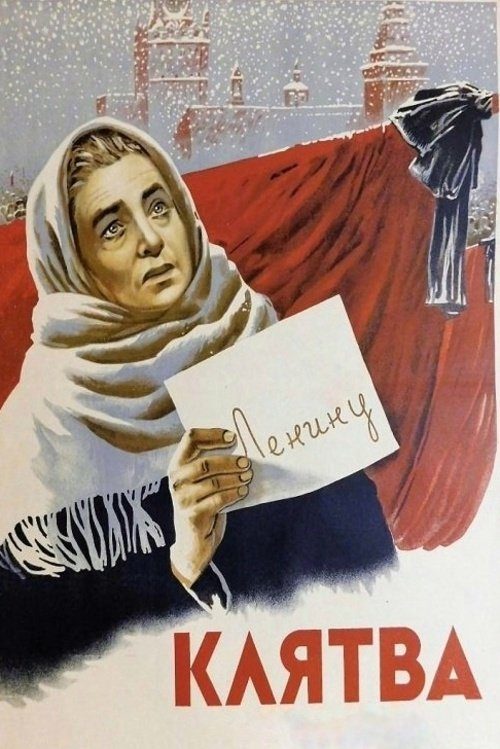
The Vow(1946)
About The Vow
The story of Stalin and the Soviet people.
Few cinematic artifacts offer as stark a window into the machinery of mid-century state mythology as The Vow, a 1946 Soviet production that serves as a fascinating, if heavy-handed, study in historical construction. While contemporary Indian audiences are well-acquainted with the grand, larger-than-life portrayals of political figures found in biographical dramas from the Telugu or Hindi industries, this Russian feature operates on an entirely different wavelength of hagiography. Mikhail Gelovani steps into the role of Joseph Stalin with a performance that prioritizes iconic stature over psychological nuance, effectively transforming a complex political timeline into a rigid moral tableau. For viewers interested in the intersection of governance and art, the film acts as a primary source for understanding how a regime sought to solidify its image through the medium of the moving image immediately following the conclusion of the second world war.
The narrative structure focuses on the connection between the central leader and the collective spirit of the nation, framed through a lens of absolute devotion and unwavering ideological commitment. Unlike the gritty, grounded realism that defines much of modern Malayalam or Tamil cinema today, The Vow leans into the theatrical and the monumental. It is an essential watch for film historians and students of political communication who want to see how cinema was leveraged as a tool for national unity during a period of immense global reconstruction. The production design and the deliberate pacing underscore a specific era of Soviet aesthetics where the spectacle of the state was meant to be both comforting and intimidating to its domestic audience.
Those who appreciate the study of personality-driven epics will find this film particularly revealing, even if the storytelling feels distant from current tastes. While it lacks the emotional complexity expected of today's character-driven biographies, it remains a pillar of its time, capturing the specific anxieties and aspirations of the Soviet populace in the late 1940s. Its relevance lies not in its historical accuracy, which is heavily curated, but in its role as a monumental piece of propaganda that mirrors the kind of elevated, hero-centric storytelling still prevalent in various regional cinemas across India. By examining how this film positions its protagonist at the heart of every major national turning point, one gains a deeper appreciation for the evolution of the biographical genre and the enduring power of the cinematic myth.
Cast(29)