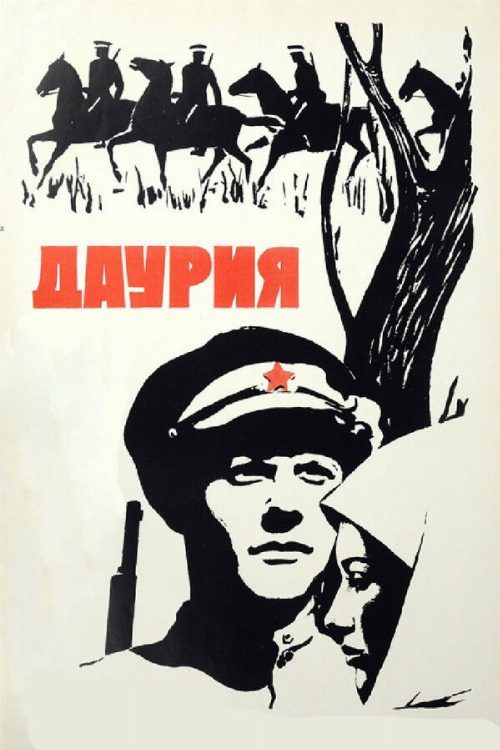
Dauria(1972)
About Dauria
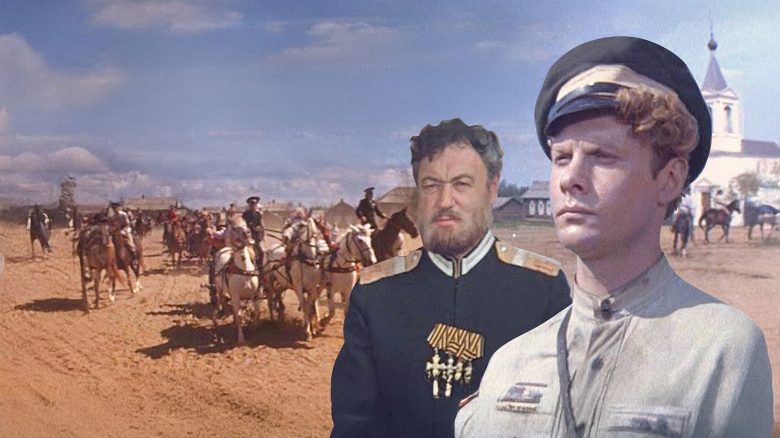
A chronicle of life in a small village in the Baikal Region on the eve of World War I and at the time of the October Revolution. The age-old foundations are crumbling, the process of social stratification is underway and, as a result, some people go to defend the revolution, and others - to fight against it. The main hero is the young Cossack Roman Ulybin. At first, this carefree daredevil is preoccupied only with one problem: whether his sweetheart, Dashutka, is to marry him or a merchant’s son, Alyoshka. Roman is killing time fist-fighting with his rival. But little by little, the young man realizes that the world around him has changed, that people are fighting for equality and social justice, and, being a real Cossack, he can’t remain on the sidelines…
Dauria captures a transformative epoch in Siberian history, positioning itself as a sweeping epic that mirrors the profound societal shifts often explored in Indian regional cinema. Much like the period dramas that define the golden age of Telugu or Malayalam filmmaking, this Soviet production utilizes the backdrop of the Baikal region to examine how macro-political turbulence inevitably dismantles the personal lives of its inhabitants. By tracking the maturation of Roman Ulybin from a rowdy youth preoccupied with village courtship into a man confronted by the harsh realities of class warfare, the film taps into a universal narrative thread regarding duty versus individual desire. It serves as a stark reminder of how rapidly traditional hierarchies can dissolve when faced with the momentum of revolutionary change.
The film is particularly compelling for viewers who appreciate historical chronicles that balance intimate character arcs with the broader, often violent, currents of national identity. While audiences familiar with Indian cinema might draw parallels to the epic scale of period pieces focused on agrarian or community struggles, Dauria offers a distinctively cold and rugged aesthetic that sets it apart. The performances, led by a seasoned cast including Vasiliy Shukshin, ground the ideological conflicts in genuine human emotion. Rather than simply serving as a political manifesto, the story relies on the specific cultural nuances of the Cossack way of life to illustrate the pain of choosing sides when long-standing social orders fracture.
For those interested in the evolution of Eastern European storytelling, this film acts as a fascinating study of transition. It is crafted for the patient viewer who values atmospheric world-building and the gradual unraveling of character motivations. The director leans into the landscape as a silent witness to the tragedy of brothers turning against one another, a theme that resonates across global cinema regardless of geographic or linguistic boundaries. By focusing on the personal stakes—the tension between a simple life and the call of history—the narrative ensures that the audience remains anchored to the protagonist's internal journey even as the external world descends into chaos. It stands as a notable example of a period piece that manages to humanize the complex ideological divisions of the early twentieth century without resorting to simplistic moralizing.
Cast(17)