About The Winter's Tale
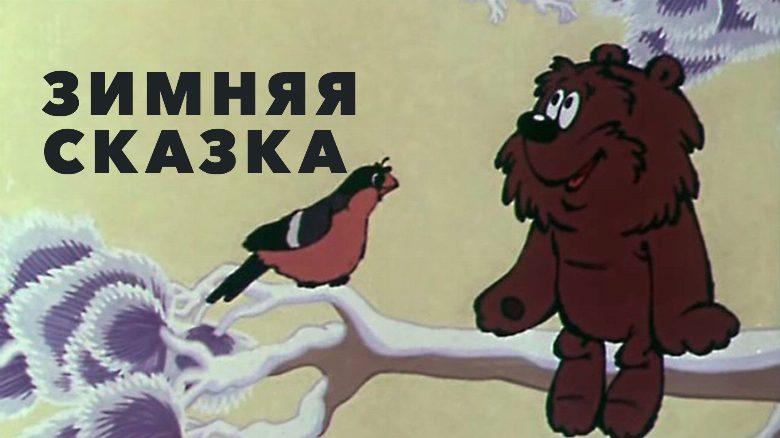
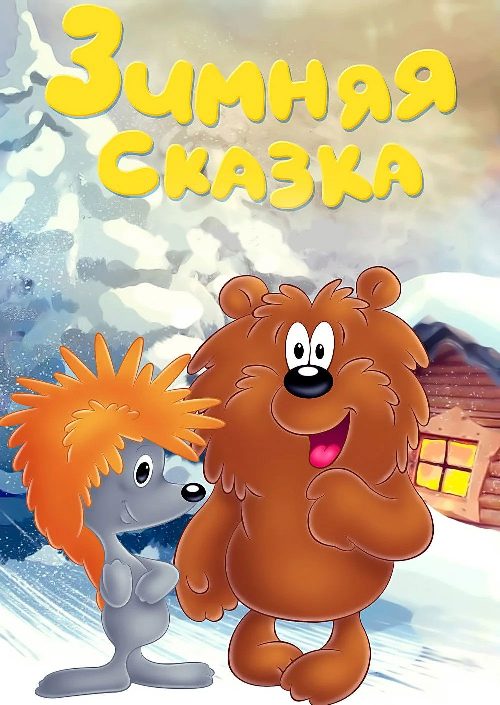
As winter comes, little Bear decides to eat all the snow around him, but soon falls ill.
Yuriy Butyrin remains a master of Soviet animation, a craftsman whose delicate touch often transformed simple fables into profound meditations on the rhythms of nature. In his 1981 work The Winter's Tale, he crafts a narrative that feels both timeless and deeply specific to the visual language of the era. The story centers on a young bear whose naive curiosity leads him to interact with the environment in a way that proves physically precarious. While Indian cinema audiences are frequently treated to grand, high-stakes dramas about human ambition and societal strife, this Russian short offers a refreshing pivot toward the intimate and the metaphorical. It captures the transition from autumn to winter not merely as a change in weather, but as a sensory experience that defines the protagonist's growth and eventual vulnerability.
The film operates with a gentle pacing that rewards viewers who appreciate the nuance of hand-drawn character studies. By focusing on a single creature navigating the harsh reality of seasonal shifts, Butyrin taps into a universal theme of innocence meeting consequence. For fans of regional Indian animation or those who enjoy the layered storytelling found in Malayalam children’s classics, this piece provides an interesting point of comparison. It shuns the frenetic energy of modern digital media in favor of a quiet, deliberate exploration of curiosity and its limits. The vocal performances, particularly those of Georgi Burkov and Klara Rumyanova, lend a humanistic warmth to the animal characters, ensuring that the emotional stakes feel genuine even within such a brief runtime.
This production is ideally suited for cinephiles who value the artistic heritage of global animation and those interested in how different cultures depict the natural world. It avoids moralizing in favor of a softer, more atmospheric approach to the bear's predicament, making it a perfect viewing experience for families or students of film history. As the international audience continues to seek out diverse narratives that transcend linguistic barriers, works like this remind us that a simple encounter with a snow-covered forest can contain as much thematic weight as a multi-hour epic. It is a testament to the enduring power of the medium that a film from four decades ago can still resonate with such clarity, inviting us to view our own environment with the same wide-eyed, albeit cautious, wonder that defines the young bear at the heart of this charming, chilly tale.
Cast(3)


Crew
Similar Films