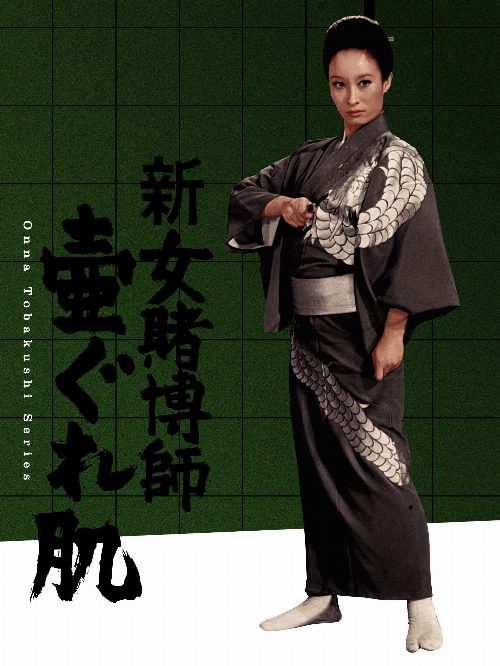
About The Woman Gambler's Iron Rule
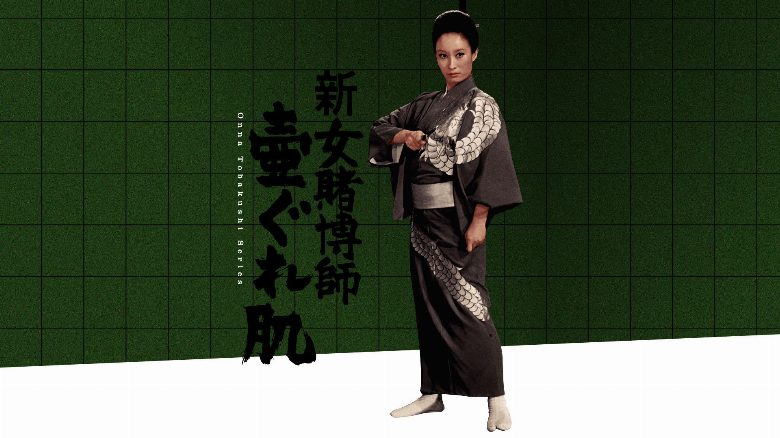
The woman gambler Ginko risks her life for her brother-in-law.
Kyoko Enami commands the screen in The Woman Gamblers Iron Rule, a quintessential entry in the vintage Japanese yakuza genre that highlights the cold-blooded intersection of honor and high stakes. Released in 1971, this feature arrives during an era when the Japanese film industry was pivoting toward grittier, more stylized portrayals of criminal underworlds, moving away from traditional period pieces toward modern-day noir sensibilities. Directed by Kenji Misumi, a filmmaker celebrated for his impeccable sense of visual pacing and tension, the film elevates the standard revenge narrative by centering it on the formidable Ginko. Unlike many of her male counterparts in the genre who rely solely on brute force, Ginko operates with a calculated precision that makes her a standout protagonist in 1970s crime cinema.
The plot centers on a desperate quest for redemption and protection, as Ginko finds herself forced into the dangerous fray to save her brother-in-law from a mounting debt that threatens to destroy their family unit. This struggle serves as a lens through which the film examines the strict, often suffocating codes of the gambling dens and the unforgiving nature of the criminal hierarchy. For viewers who appreciate the stylistic DNA of classic Japanese action, this film offers a fascinating look at how gender dynamics were navigated within the rigid structures of yakuza morality tales. The atmosphere is thick with the tension of the card table, where every shuffle of the deck carries the weight of life and death, reflecting a broader cultural fascination with the gambler as a tragic, solitary figure.
Fans of international cult cinema will find much to admire in the kinetic energy of Misumis direction, which ensures the stakes remain palpable throughout the journey. The Woman Gamblers Iron Rule is an essential watch for those who enjoy character-driven crime dramas where the protagonist must outwit opponents rather than simply outfight them. Given the current global resurgence of interest in golden-age Japanese genre films, this title stands as a testament to the enduring appeal of the tough-as-nails heroine who refuses to fold under pressure. By blending intense emotional stakes with the sharp, rhythmic editing that defined the era, the film remains a compelling artifact of a time when the line between justice and vengeance was blurred by the turn of a card. It is a stylish, atmospheric piece that invites audiences to witness a woman reclaiming agency in a world designed to keep her subservient to the whims of the house.