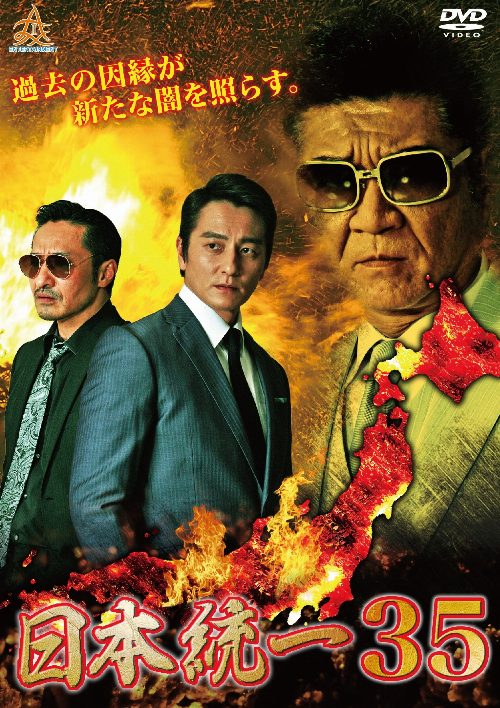
About Unification of Japan 35
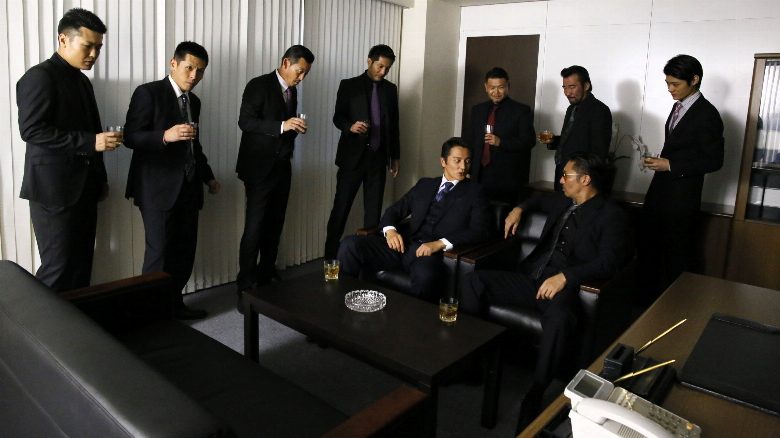
The leaders of the Kyowakai are surprised that Baba, the leader of the disciples, is still alive. After being discharged from the hospital, Baba immediately attends an executive meeting and asks Tani to stop retaliating against the Michinoku family for attacking the plants. Himuro and Tamura go to the house of Miyomatsu Kasuga, the head of the Michinoku family, but Kasuga's stubborn behavior does not subside...
The sweeping saga of the yakuza underworld finds a particularly gritty and relentless expression in Unification of Japan 35. As a long-running franchise that has become a cornerstone of contemporary Japanese crime cinema, this installment continues to explore the intricate power dynamics and shifting allegiances that define the genre. Director Hiroyuki Tsuji leans heavily into the tension between established tradition and the volatile ambitions of younger factions, grounding the narrative in a world where personal honor is often weighed against the cold demands of organizational survival. By focusing on the internal friction within the Kyowakai, the film captures the heavy atmosphere of a society perpetually standing on the precipice of total conflict.
What distinguishes this entry from its predecessors is the heightened sense of urgency regarding the Michinoku family rivalry. The return of key figures to the inner circle forces a confrontation that feels both inevitable and layered with decades of history. For fans of the series, the return of familiar faces like Yasukaze Motomiya and Hitoshi Ozawa brings a sense of continuity that is rare in modern action franchises. The performances are remarkably disciplined, emphasizing the stoic resolve and suppressed rage that have become hallmarks of this cinematic universe. Unlike the flashy, stylized violence found in some international crime dramas, this film prioritizes the psychological weight of the characters, ensuring that every strategic move feels earned rather than incidental.
This installment is essential viewing for those who appreciate the methodical pacing of classic mob dramas. While it functions as a continuation of a larger epic, the core themes of loyalty and the futility of vendettas resonate as universal human experiences. The regional specificity of the Japanese underworld, depicted through the lens of institutional politics, provides a fascinating parallel to the high-stakes family dramas seen in Indian cinema, where similar motifs of inherited duty and clan pride often dominate the narrative landscape. Anyone with an interest in the structural evolution of crime syndicates or the nuanced portrayal of brotherhood under duress will find this chapter both compelling and intellectually stimulating. It serves as a reminder that even within the most rigid hierarchies, the most dangerous threats are often the ones that stem from within one's own ranks.