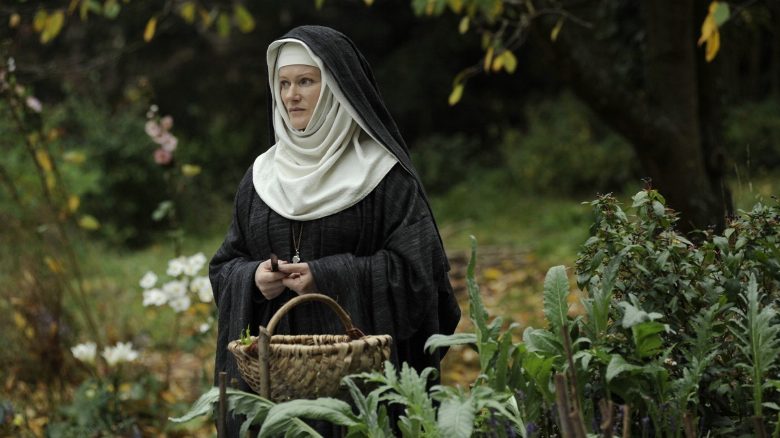
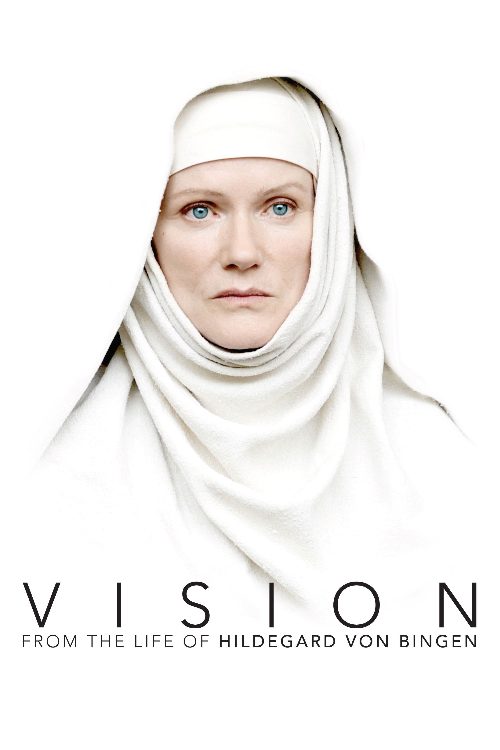
Vision – From the Life of Hildegard von Bingen(2009)
About Vision – From the Life of Hildegard von Bingen
Hildegard von Bingen was truly a woman ahead of her time. A visionary in every sense of the word, this famed 12th-century Benedictine nun was a Christian mystic, composer, philosopher, playwright, poet, naturalist, scientist, physician, herbalist and ecological activist.
Margarethe von Trotta crafts a luminous portrait of a twelfth-century polymath in her biographical drama Vision, an exploration of the medieval mind that feels surprisingly resonant for contemporary audiences. While global cinema fans often look toward the high-octane spectacles of current Indian industry trends, there is a distinct pleasure in revisiting this contemplative German masterpiece that anchors its narrative in the life of Hildegard von Bingen. Rather than delivering a dry academic account of a historical figure, the film immerses viewers in the sensory world of a Benedictine nun who defied the rigid patriarchal structures of her era through her sheer intellectual and spiritual force. It is a quiet, intense examination of how one individual can hold space for both religious orthodoxy and radical scientific inquiry, making it a compelling study for those who appreciate character-driven period pieces that prioritize internal transformation over sweeping battle sequences.
The strength of the film lies in its ability to translate the multifaceted brilliance of its subject into a cinematic language that remains accessible without sacrificing nuance. Barbara Sukowa delivers a commandingly grounded performance, capturing the burden of genius as Hildegard balances her roles as a mystic, composer, and healer. For viewers who enjoy the layered storytelling often found in the best Malayalam or art-house Hindi dramas, this film offers a similar depth of focus, centering on the psychological resilience required to challenge the status quo. The production design avoids the overly sanitized aesthetic of many period films, opting instead for a tactile, lived-in atmosphere that highlights the austerity of convent life alongside the vibrant, blooming knowledge Hildegard cultivates.
This is not merely a record of historical accomplishments but an investigation into the cost of vision and leadership. By positioning the protagonist as a woman who navigated the intersection of theology and natural philosophy, the film invites a modern audience to reflect on the nature of advocacy and artistic expression. It is an ideal watch for those who seek cinema that challenges the intellect while providing a window into a world long past. By stripping away the mythological layers that often shroud such figures, the film presents a human being whose dedication to her craft and her community serves as a timeless reminder of the power of conviction. Whether one is drawn to the history of Western mysticism or simply appreciates a finely calibrated character study, this work remains a significant achievement in the biographical genre, standing as a testament to the enduring relevance of those who dare to see beyond the confines of their own time.
Cast(18)