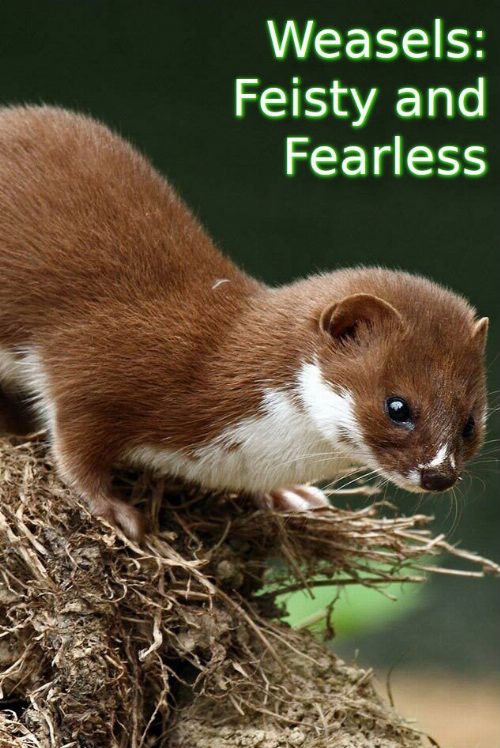
About Weasels: Feisty and Fearless
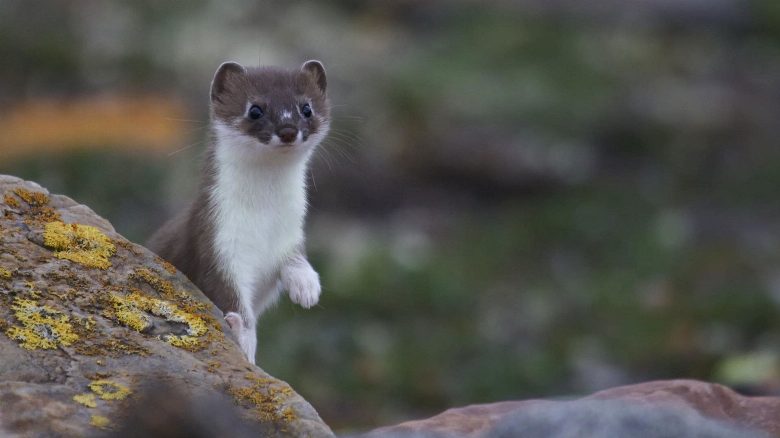
Members of the weasel family are often portrayed as the villains of the natural world, but do they deserve this reputation? By following the adventures of a tiny orphaned weasel named Twiz, this film reveals the true nature of these pocket-sized predators, which relative to their size have a bite more powerful than a tiger’s. In Yorkshire, a unique garden rigged with over 50 cameras gives a rare insight into the dramatic life of a mother stoat as she tries to raise her first family. And new science uncovers the problem-solving abilities of the honey badger, the secrets behind the ferret’s legendary flexibility, and the remarkable sense of smell of the wolverine. Together, using their extraordinary skills, this feisty and fearless family have conquered the planet.
Few creatures in the animal kingdom face as much unwarranted prejudice as the mustelid family, yet Hannah Ward seeks to dismantle these negative stereotypes through a lens of profound empathy and scientific curiosity. While international cinema audiences are accustomed to high-octane dramas or sprawling epics, there is a refreshing shift toward natural history documentaries that prioritize intimacy over grand spectacle. This film functions as a masterclass in behavioral observation, challenging the common perception of these animals as mere pests or villains. By narrowing the focus to the individual experiences of a stoat mother and an orphaned creature named Twiz, the narrative transforms from a standard wildlife report into a compelling character study that resonates with the same emotional weight found in the best character-driven independent dramas.
The production employs sophisticated surveillance technology across a picturesque Yorkshire setting, allowing viewers to witness the hidden struggles and triumphs of these small predators in stunning detail. For fans of the global documentary circuit, particularly those who appreciate the narratorial charm often found in British nature productions, the involvement of Julie Walters adds a layer of warmth and authority. Her voice guides the audience through the complexities of survival, from the honey badger’s sharp intellect to the wolverine’s keen olfactory senses. This project arrives at a time when audiences are increasingly seeking content that explores the resilience of the natural world, bridging the gap between educational programming and pure, unadulterated entertainment.
Viewers who enjoy the meticulous pacing of modern nature documentaries will find this exploration of the weasel family both enlightening and heartening. It is a film for those who appreciate the smaller details of evolution, such as the surprising biomechanics that allow ferrets to navigate tight spaces or the sheer ferocity these tiny hunters display when protecting their kin. By highlighting the hidden skills that have allowed these animals to thrive across diverse environments, the film serves as a testament to the idea that size does not dictate capability. It is a polished, informative, and visually engaging piece of work that succeeds because it refuses to treat its subjects as background scenery, choosing instead to center them as the formidable, clever, and often misunderstood protagonists of their own wild stories.