About A Geisha
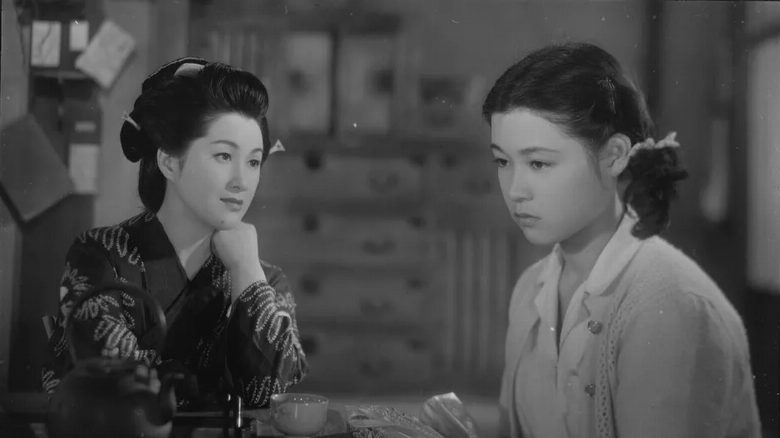
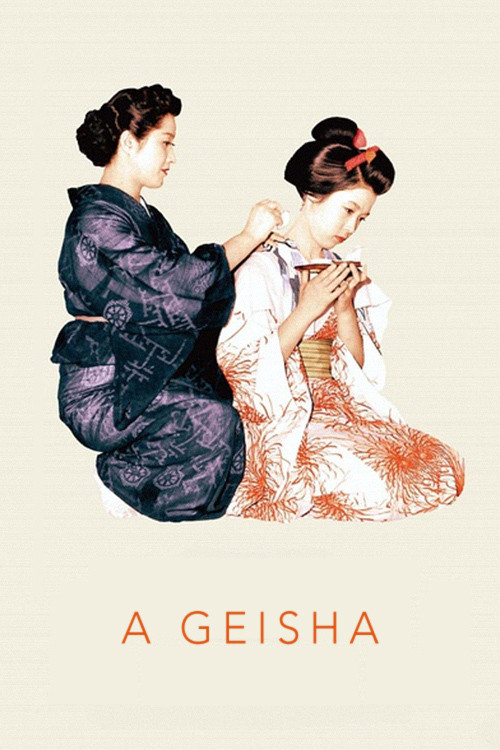
Fleeing a distressing family situation, Eiko, a very young girl, becomes an apprentice to Miyoharu, a veteran geisha. Both, determined to preserve their professional integrity, must face the selfishness and ambition of several petty people.
Kenji Mizoguchi remains a towering figure in global cinema, and his 1953 masterpiece A Geisha serves as a profound meditation on the transactional nature of human relationships within the rigid hierarchies of post-war Japan. The narrative centers on a young woman who enters the insular world of the Gion district seeking sanctuary from her domestic hardships, only to find herself apprenticed to a seasoned performer who views their art form with a blend of stoicism and weary pragmatism. Unlike many contemporary depictions that lean into romanticized notions of the geisha experience, this film is starkly focused on the psychological toll of balancing individual autonomy against the predatory expectations of a patriarchal society. It is a work of quiet intensity that captures the struggle for dignity in a profession defined by performative obedience.
For audiences accustomed to the vibrant, high-stakes narratives currently dominating Indian regional industries like the Telugu or Tamil film landscapes, this Japanese classic offers a different pace but shares a familiar thematic preoccupation with the burden of familial and societal duty. Much like the strong female protagonists often found in modern Malayalam dramas, the characters here are defined by their resilience rather than their victimhood. Mizoguchi utilizes his signature long takes and meticulous framing to ground the emotional stakes in the physical reality of the geisha house, forcing the viewer to observe the subtle power dynamics at play between the women and the men who seek to exploit them. The film avoids melodrama, preferring to let the weight of its social commentary settle through nuanced performances and a deeply atmospheric sense of place.
This film is essential viewing for cinephiles who appreciate character-driven storytelling that rewards patience and close attention to visual composition. It is particularly relevant for those interested in the evolution of gender roles in cinema, as it highlights the systemic barriers that turn women into commodities while simultaneously showcasing their efforts to carve out spaces of agency. By focusing on the bond between the mentor and her protege, Mizoguchi elevates the story from a simple period piece into a universal exploration of mentorship and survival. Those who value the works of directors who masterfully weave social critique into the fabric of human drama will find this piece of mid-century Japanese cinema both challenging and deeply rewarding. It stands as a testament to the director’s ability to find profound beauty within the constraints of a restrictive social order.
Cast(26)