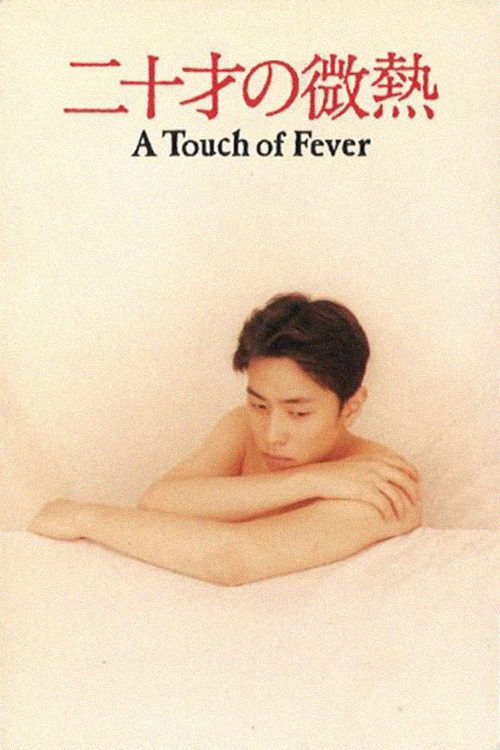
A Touch of Fever(1993)
About A Touch of Fever
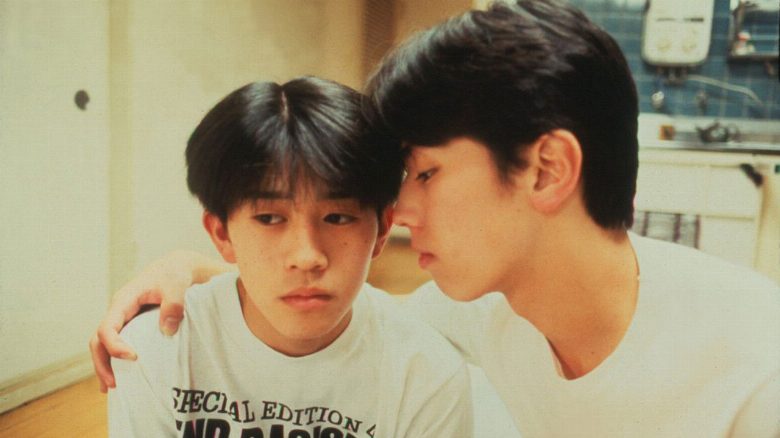
Tatsuru and Shinichiro’s relationship shifts from casual to complicated as love and emotions blur the lines between their work and personal lives.
A Touch of Fever serves as a haunting relic of early nineties Japanese independent cinema, capturing the raw, unspoken tensions that define human connection when professional boundaries begin to fray. Unlike the glossy, high-concept dramas that often dominate mainstream circuits, this film leans into a gritty, nocturnal atmosphere that feels both intimate and unsettling. It tracks the evolving dynamic between Tatsuru and Shinichiro, two individuals caught in a web of shifting allegiances where the distinction between labor and affection becomes increasingly porous. The project stands out for its minimalist approach, prioritizing the psychological weight of its characters over grand narrative gestures, a hallmark of the era's arthouse sensibility that prioritized mood and authenticity above all else.
For those who track the evolution of global cinema, this film offers a fascinating glimpse into a period of Japanese filmmaking that was deeply interested in the complexities of urban isolation. While the Indian film industries, from the sprawling narratives of Tollywood to the grounded realism of Malayalam cinema, are currently enjoying a massive resurgence in global interest through high-octane storytelling, A Touch of Fever operates on the opposite end of the spectrum. It provides a meditative, slow-burn experience that appeals to viewers who appreciate character studies that refuse to offer easy answers. It is a work for the patient cinephile, someone who finds beauty in the quiet, uncomfortable spaces between words and the subtle shifts in body language that signal a change in heart.
The performances, particularly from Reiko Kataoka, anchor the film in a reality that feels uncomfortably close to the viewer. By stripping away the artifice often found in romantic dramas, the director invites us to witness the fragility of these bonds without the safety net of conventional tropes. As contemporary audiences continue to explore the back catalogs of international masters, this title remains a vital piece of the puzzle, representing a specific moment when Japanese drama began to interrogate the intersections of identity and desire in the modern age. It is a compelling reminder that the most profound conflicts are rarely found in external threats, but rather in the quiet, feverish moments where two people struggle to define exactly what they mean to one another.
Cast(12)