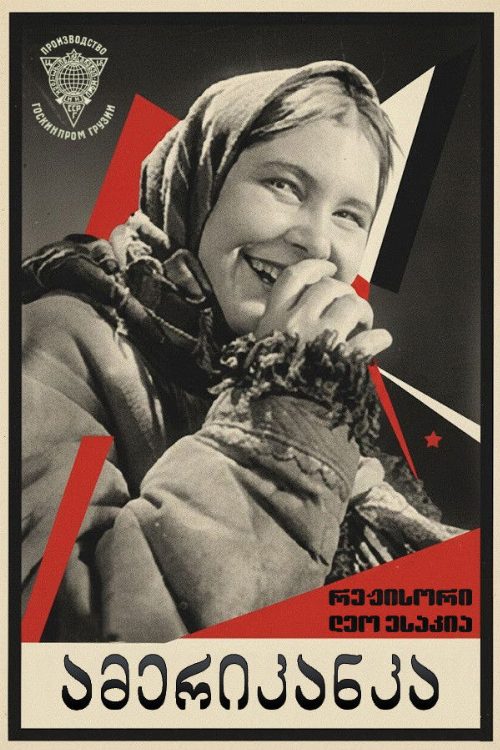
About Amerikanka
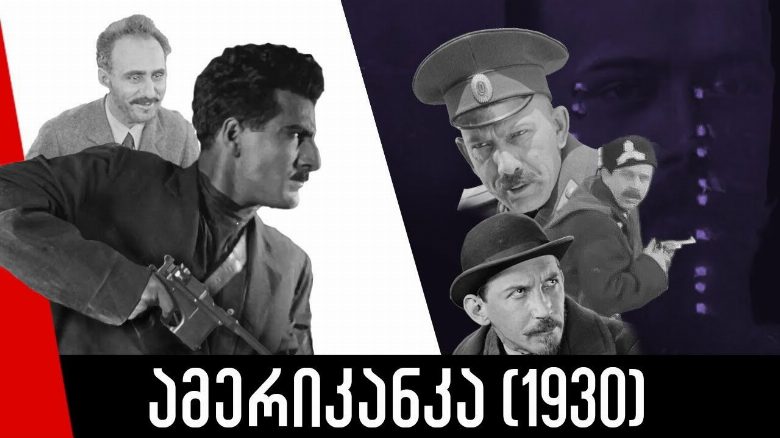
The action of the film takes place during the Russian Revolution of 1905 in Moscow. King Okhranka tries to disrupt the work of the illegal printing press of the Bolsheviks. The small typewriter “Amerikanka” plays the key role in the victory.
Stepping back into the formative years of Soviet-era cinema, Amerikanka serves as a fascinating relic that captures the high-stakes atmosphere of the 1905 revolutionary fervor. While contemporary audiences might be accustomed to the polished aesthetic of modern pan-Indian blockbusters, this historical drama offers a gritty, ground-level perspective on resistance. Director Leo Esakia crafts a narrative that centers not on a grand military leader, but on the clandestine struggle to disseminate information. By focusing the plot on a compact printing device, the film transforms a mundane object into a symbol of ideological warfare, highlighting how small-scale subversion can become the backbone of larger political upheaval.
The film occupies a unique space within the history of regional storytelling, reflecting the intense period of industrial and political transition that defined its era of production. For viewers who appreciate the evolution of action-oriented dramas, this piece provides an early glimpse into how suspense was built before the advent of modern digital editing. The tension is drawn from the constant threat of surveillance by the imperial authorities, a trope that continues to resonate in modern thrillers across the Kannada film landscape and beyond. It is a testament to the power of the underground press, reminding us that the most dangerous weapon in a revolution is often a simple tool for communication.
History buffs and students of international cinema will likely find the most value in this work, as it serves as a quintessential example of how revolutionary fervor was depicted during the early twentieth century. The performances by Zaal Terishvili and his colleagues bring a raw, unvarnished intensity to the screen that feels distinct from the stylized heroism often found in today’s mainstream cinema. For those interested in the foundational techniques of action filmmaking, the way Esakia navigates the claustrophobic environment of a secret press is truly instructive. Amerikanka stands as a bold reminder that even in the most restricted environments, the act of printing a message can be an act of defiance that echoes through history. It is a compelling choice for anyone looking to bridge the gap between early global cinema and the high-octane political narratives that dominate our screens today.