
About House of Others
Two families have physically survived the 'real' war, but are incapable of building a new life in peace. War continues in everyday life because the chaos is inside human beings.
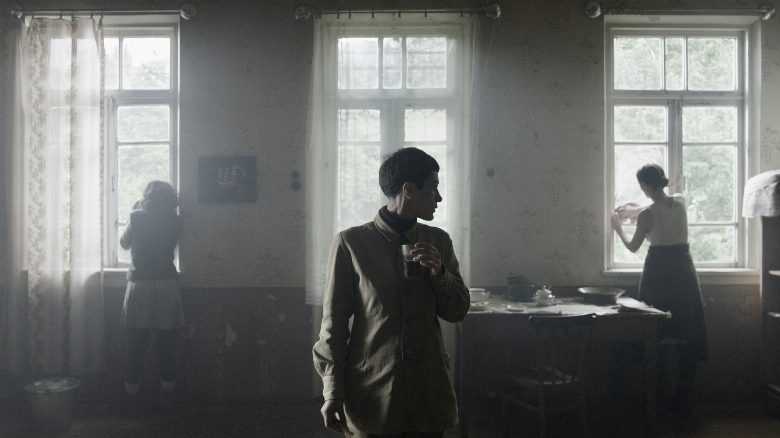
The lingering scars of geopolitical fracture often manifest in the quietest corners of domestic existence, a reality explored with haunting precision in House of Others. While the Indian film industry frequently leans into grand spectacles or high-octane emotional dramas, this Georgian production offers a stark, contemplative alternative that resonates deeply with global audiences interested in the psychological aftermath of conflict. Director Rusudan Glurjidze crafts a narrative that eschews the typical bombast of war cinema, opting instead for a localized, intimate study of trauma. By focusing on two families thrust into an uneasy coexistence within a commandeered residence, the film examines how the external violence of a battlefield seeps into the very foundations of the private home.
This cinematic work stands out for its refusal to provide easy catharsis, positioning itself as a demanding yet rewarding experience for viewers who appreciate slow-burn character studies. The ensemble cast, featuring powerful performances by Ia Sukhitashvili and Sabina Akhmedova, anchors the story in a palpable sense of displacement. Much like the recent wave of gritty, realistic dramas emerging from the Malayalam and Tamil industries that prioritize atmospheric tension over traditional plot progression, this film invites the audience to inhabit the discomfort of its characters. It is a portrait of people who have escaped physical destruction only to find themselves trapped within the invisible barricades of their own internal turmoil.
For those who follow international cinema, this film serves as a poignant reminder that peace is rarely a simple cessation of hostilities. It captures the essence of the human condition when stripped of societal safety nets, making it a compelling watch for enthusiasts of arthouse dramas who value visual storytelling over dialogue-heavy scripts. Glurjidze demonstrates a sophisticated command of mood, utilizing the decaying architecture of the setting to mirror the psychological disintegration of the protagonists. Whether you are a fan of intense psychological thrillers or simply someone seeking a film that challenges the traditional hero-centric narrative, House of Others offers a sobering look at how the chaos of war remains a permanent tenant in the hearts of those who have seen the unthinkable. It is a masterful, albeit somber, piece of filmmaking that deserves attention for its unflinching exploration of life in the wake of systemic upheaval.