About Angel Dust
Every Monday, a young woman is murdered in the subway, leading psychiatrist Setsuko Suma to investigate Dr. Rei Aku's deprogramming of former sect members.
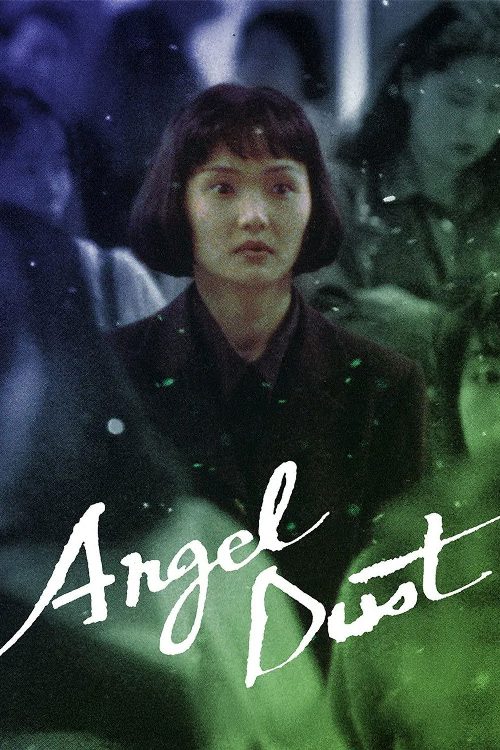
Stepping into the haunting atmosphere of Sogo Ishii’s 1994 psychological thriller Angel Dust feels like uncovering a forgotten relic of nineties Japanese genre cinema. While contemporary global audiences often associate Japanese horror with the supernatural vengefulness of the later J-Horror wave, this film occupies a distinct space rooted in urban paranoia and clinical dread. The narrative centers on a series of calculated Monday morning subway killings that grip Tokyo in terror, prompting a dedicated psychiatrist to look beyond the surface of these crimes. By weaving together elements of procedural investigation and the dark psychological manipulation associated with cult deprogramming, the film creates an unsettling portrait of a society struggling with the lingering trauma of fringe movements.
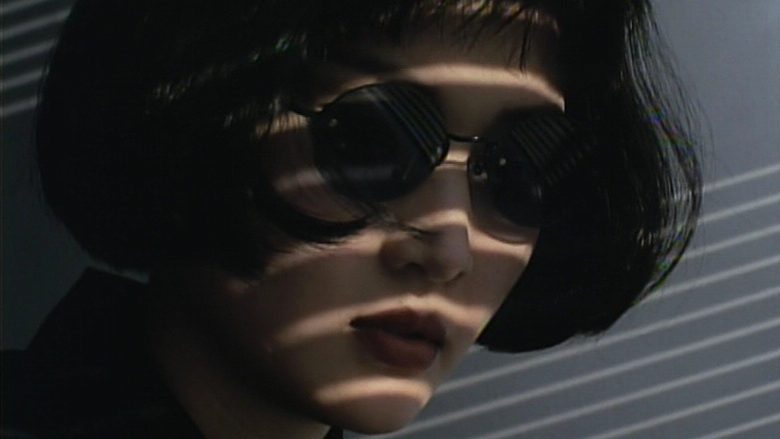
The film resonates deeply with fans of cold, atmospheric cinema who enjoy intellectual puzzles over jump scares. It reflects a specific period in Japanese history where anxieties surrounding mass violence and ideological brainwashing were particularly potent, mirroring the societal unease that often finds its way into the most compelling crime dramas across the globe. For viewers who follow the evolution of the thriller genre, Angel Dust serves as a fascinating precursor to the more stylized psychological explorations that would define the decade. Its clinical, sterile aesthetic stands in stark contrast to the melodramatic flair often found in mainstream international crime thrillers, offering instead a detached, observational style that forces the audience to question the sanity of both the investigator and the accused.
Sogo Ishii showcases a masterful command of tension here, utilizing the claustrophobic confines of public transportation to heighten the sense of vulnerability felt by his characters. Kaho Minami delivers a grounded performance that anchors the film amidst its increasingly bizarre and abstract revelations, providing a necessary human tether to the complex mystery at play. Those who appreciate films that demand patience and offer a deep dive into the darker recesses of human behavior will find this work particularly rewarding. It is a quintessential piece for anyone interested in the intersection of criminal psychology and urban isolation, proving that the most terrifying threats are often those that hide behind the veneer of professional expertise. As the investigation draws closer to its enigmatic target, the film effectively blurs the line between the healer and the dangerous influence they are attempting to dismantle, leaving the viewer to navigate a landscape where truth is as elusive as the killer themselves.
Cast(9)