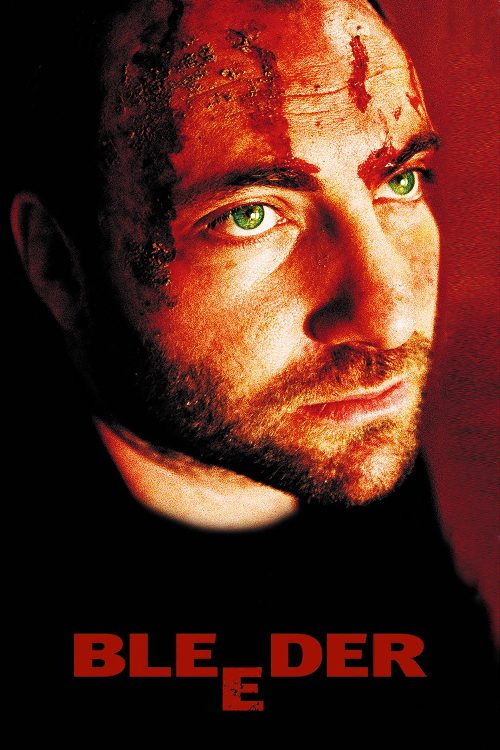
About Bleeder
Two stories for the price of one: a video store clerk tries to get acquainted with a waitress; a man beats his pregnant wife, unaware that her brother is a violent racist.
Nicolas Winding Refn carved out a distinct corner of the nineties Danish crime landscape by weaving together the frayed edges of urban masculinity and domestic volatility. In Bleeder, we are dropped into a claustrophobic Copenhagen where the rhythms of a video rental shop serve as the backdrop for a quiet, unfolding romance that feels almost fragile against the backdrop of the city’s darker impulses. While Indian cinema often explores the tension between traditional family values and modern societal shifts, this film operates as a gritty mirror image, focusing on the disintegration of domestic stability and the explosive consequences of unbridled aggression. It is a stark study of how social isolation can curdle into something far more dangerous when characters lack the emotional vocabulary to navigate their own lives.
The narrative structure here is particularly striking because it refuses to prioritize one thread over the other, forcing the audience to oscillate between the awkward fumbling of a socially stunted clerk and the terrifying escalation of a household spiraling toward violence. For fans of the intense, brooding performances that eventually defined the careers of Mads Mikkelsen and Kim Bodnia, this project acts as a vital historical document. It captures these actors at a formative stage, refining the icy, unpredictable screen presence that would later take them to the global stage. The film does not shy away from the ugliness of its subjects, preferring instead to linger on the uncomfortable silence that precedes a physical outburst.
This is a film for viewers who appreciate the raw, unpolished aesthetic of early independent European cinema, particularly those who gravitate toward character studies that prioritize mood and tension over conventional plotting. It stands as a precursor to the hyper-stylized thrillers that would follow, yet it maintains a grounded, almost documentary-like feel that makes the impending tragedy feel inevitable. By juxtaposing the mundane routine of retail life with the visceral reality of a domestic nightmare, the director forces us to confront the thin line between ordinary human desire and destructive obsession. It is a bracing, uncompromising look at the volatility hidden behind closed doors, serving as a reminder that even the most mundane environments can play host to seismic emotional shifts. Whether you are a student of international crime dramas or simply a follower of Mikkelsen’s evolution as a performer, this early work remains an essential piece of the puzzle for understanding the trajectory of Nordic noir.
Cast(23)