About Breaking the Waves
In a small, conservative Scottish village, an oilman is paralyzed in an accident. His wife, who prayed for his return, feels guilty; even more, when he urges her to have sex with another.
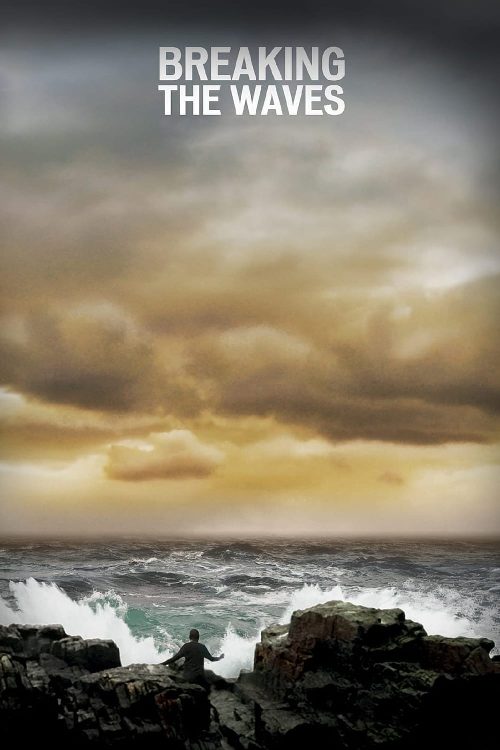
Lars von Trier has long been a provocateur of European cinema, and his 1996 masterpiece Breaking the Waves remains perhaps the most visceral exploration of faith and sacrifice ever committed to film. Set against the stark, unforgiving landscape of the Scottish Highlands, the story examines the spiritual unraveling of Bess, a young woman whose devotion to her husband transcends the boundaries of traditional morality. While modern audiences accustomed to the slick production values of contemporary Indian dramas might find the handheld, documentary-style aesthetic jarring, the emotional core of this narrative resonates with the same intensity found in the most profound tragedies of world cinema. It captures a specific tension between rigid religious dogmatism and the chaotic, often incomprehensible nature of pure love, creating a viewing experience that is as harrowing as it is transcendently beautiful.
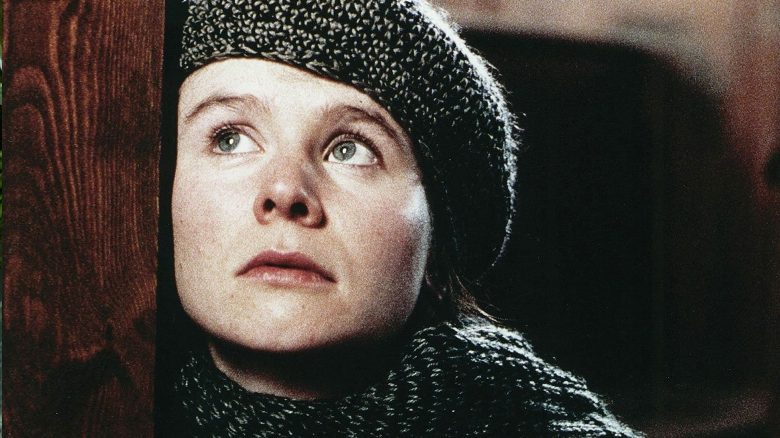
The film serves as a masterclass in performance, anchored by a career-defining turn from Emily Watson. Her portrayal of Bess elevates the premise from a mere study of marital trauma into a haunting inquiry into what it means to be truly good in a world governed by judgment. For viewers who appreciate the slow-burn psychological depth of Malayalam parallel cinema or the thematic boldness found in the works of directors like Mani Ratnam or Sanjay Leela Bhansali, this film offers a similar depth of character study. It eschews easy answers, instead forcing the audience to grapple with the disturbing requests made by Bess’s husband after a life-altering accident leaves him bedridden. This is not a comfortable romance, but rather an uncompromising look at how far a human soul will go when pushed to the absolute edge of endurance.
Ultimately, Breaking the Waves stands as a pillar of the Dogme 95 movement, stripping away the artificiality of big-budget filmmaking to focus entirely on raw, unvarnished human experience. It is essential viewing for cinephiles who seek stories that challenge their personal comfort zones and provoke long conversations about the nature of devotion and destiny. While the cultural backdrop is distinctly Scottish, the questions it asks about society, the hypocrisy of communal norms, and the sanctity of individual choice are universal. Whether you are a fan of gritty international dramas or simply a student of great acting, this film remains a haunting, essential piece of nineties cinema that continues to demand attention decades later. It is a testament to the fact that the most impactful stories are those that dare to look directly into the darkness, searching for a flickering light of grace.
Cast(33)