About Blooded Spear
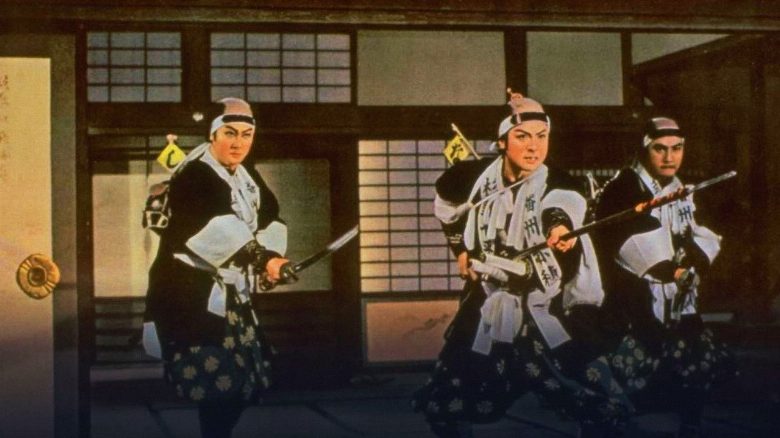
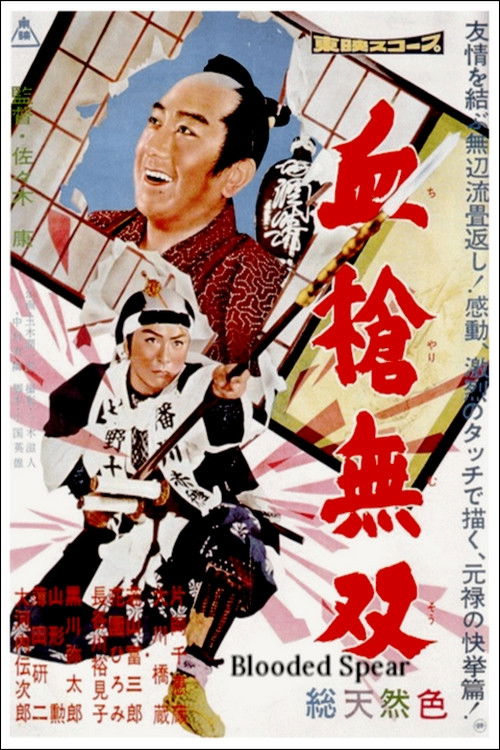
Edo, 1703. Young Sugino, one of the 47 rōnin seeking revenge against lord Kira, who caused that his master, Asano of Ako, committed seppuku, meets a skillful spear fighter, Genban, who trains him to fight with honor on the day of retribution.
The tapestry of Japanese period cinema often finds its most compelling threads in the legendary tale of the forty-seven ronin, yet Yasushi Sasaki chooses to pivot away from the grand spectacle of court intrigue to focus on the intimate, grueling evolution of a single warrior. Blooded Spear operates as a character study disguised as an action drama, centering on the psychological burden carried by Sugino as he prepares for a historic act of vengeance. By highlighting the mentorship between a seasoned martial artist and an eager disciple, the film bridges the gap between the rigid social codes of the Edo period and the visceral reality of combat. It is this focus on the technical and moral apprenticeship that distinguishes the work from more conventional retellings of the Ako incident, offering a grittier, more grounded perspective on what it meant to live as a masterless samurai.
For enthusiasts of Indian cinema who appreciate the high-stakes emotional payoffs seen in period epics across the Telugu or Tamil industries, this film provides a fascinating parallel. Just as regional Indian cinema frequently explores themes of duty, ancestral honor, and the heavy price of retribution, Blooded Spear examines the internal erosion that occurs when a man dedicates his entire existence to a singular violent goal. The performance of Tomisaburo Wakayama adds a layer of authority and gravitas, grounding the narrative in a reality that feels both dusty and dangerous. His portrayal of the spear master serves as the moral anchor for the protagonist, suggesting that true mastery is not merely about the sharpness of one’s weapon but the unwavering stability of one’s spirit.
This film is ideally suited for viewers who prefer character-driven historical dramas over pure action fare. It invites the audience to observe the quiet moments of preparation—the long, repetitive practice sessions and the philosophical exchanges that define the bond between teacher and student. Director Yasushi Sasaki manages to maintain a sense of impending tension, ensuring that while the film is steeped in historical reverence, it never feels like a dry academic exercise. By stripping away the layers of political mythology surrounding the ronin, the movie speaks to a universal human experience: the struggle to maintain one’s integrity when faced with an overwhelming and destructive mission. Whether one is a devotee of classic world cinema or simply appreciates a well-crafted story about the cost of loyalty, this 1959 production remains a potent reminder that the most significant battles are often fought long before the swords are even drawn.