Brother Sun, Sister Moon(1972)
About Brother Sun, Sister Moon
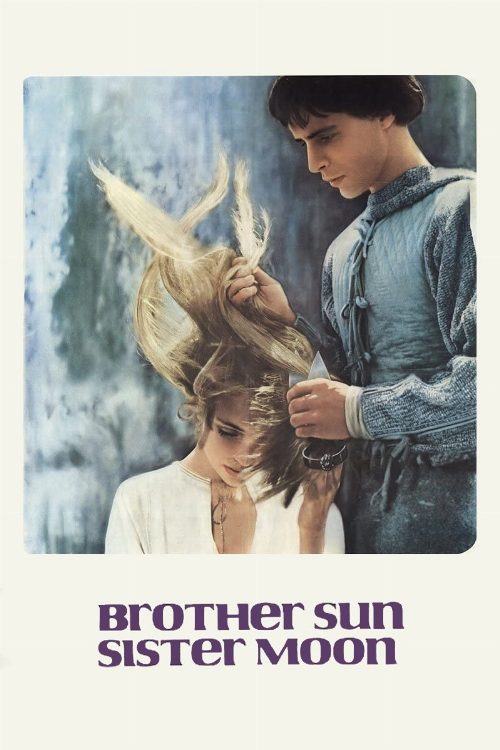
In his delirium from his return from war, Francesco Bernardone goes back in his memories to the days when he lived for parties and carnal pleasures. He slowly recovers, but after the illness he is no longer the Francesco that everybody knew. Instead of spending hours in taverns, he meditates on the beauty of God's creatures, soon renouncing his riches and his family with plans to rebuild an abandoned church and his life.
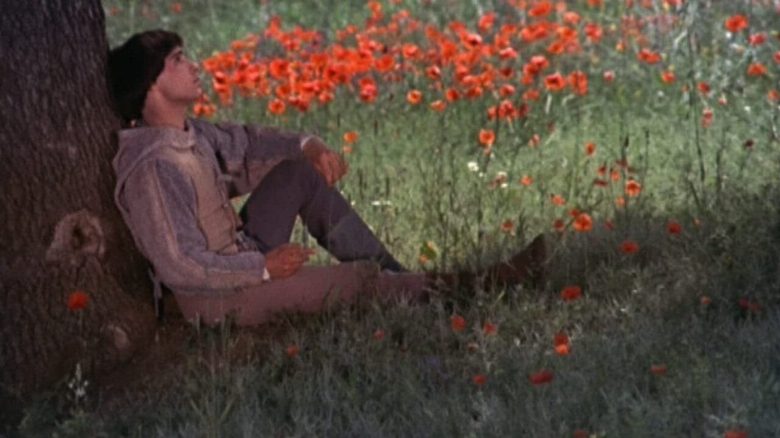
Franco Zeffirelli captures the spiritual metamorphosis of Saint Francis of Assisi with a distinctively lyrical visual style that elevates this historical drama far beyond the standard biopic format. Rather than focusing on the rigid structure of ecclesiastical history, the film leans into the sensory experience of a young man turning his back on the opulence of the medieval merchant class to embrace a life of radical simplicity. This shift from the superficial revelry of a soldier to the quiet contemplation of the natural world provides a compelling anchor for the narrative, making the internal struggle of the protagonist feel intimately relatable even centuries later. The production design, which emphasizes earthy textures and the raw beauty of the Italian landscape, serves as a poignant backdrop for the protagonist’s rejection of his father’s material legacy.
For audiences accustomed to the high-stakes dramas of contemporary Indian cinema, where grand narratives of sacrifice and redemption often dominate, this film offers a fascinating cross-cultural parallel. Much like the introspective character studies found in recent Malayalam or Tamil auteur-driven projects, the film prioritizes atmosphere and psychological depth over traditional action beats. It presents a meditative journey that invites viewers to question the value of social standing and inherited wealth. The performance by Graham Faulkner captures an ethereal, almost fragile quality that perfectly reflects the vulnerability of a soul in the midst of a profound existential awakening, supported by a veteran cast that grounds the more abstract spiritual themes in genuine human conflict.
This cinematic exploration of faith and non-conformity is ideally suited for those who appreciate slow-burning character pieces that rely on mood and visual storytelling rather than heavy dialogue. By stripping away the layers of vanity that define the early life of the lead character, the film creates a space for the audience to reflect on their own relationship with the world around them. It stands as a testament to the idea that true transformation begins with letting go, a theme that resonates across various cultural and cinematic traditions. Whether you are a fan of historical period pieces or simply an enthusiast of transformative human storytelling, this work remains a significant entry in the canon of biographical cinema, offering a timeless perspective on what it truly means to find one's purpose amidst the chaos of a changing society.
Cast(16)








Crew
Producer
Director of Photography
Editor
Costume Design
Production Design
Musician
Original Music Composer
Co-Producer
Similar Films