About Cain the XVIII-th
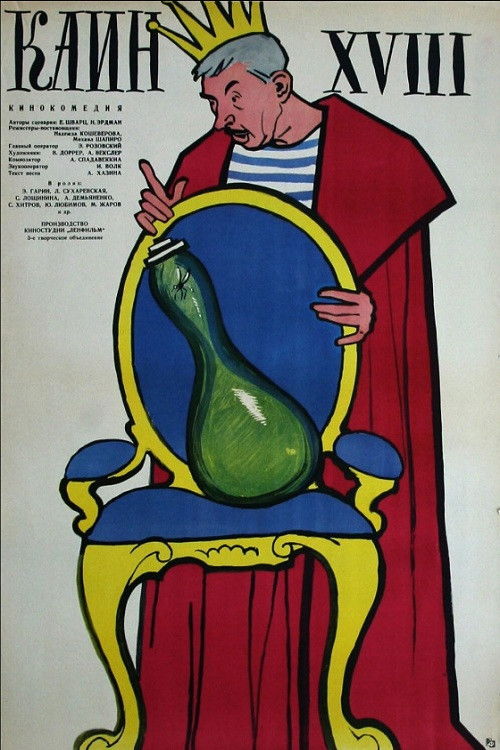
A traveling musician falls in love with a princess who is betrothed to a dictator planning to defeat his enemies with the help of an exploding mutant mosquito.
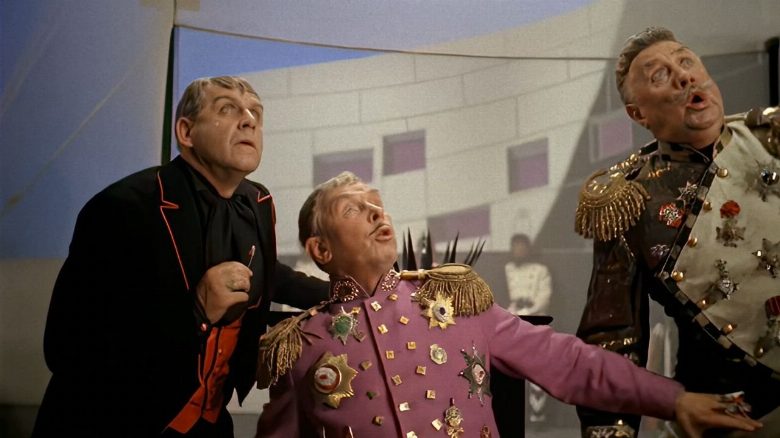
Stepping into the surreal landscape of Cain the XVIII-th feels like opening a dusty book of fairy tales written by a satirist with a sharp wit and an even sharper political edge. Produced during a unique period in Soviet cinema, this 1963 feature blends the whimsical aesthetics of a classic fable with a biting commentary on the absurdity of authoritarian rule. The narrative centers on a wandering performer whose path crosses with royalty, sparking a romantic entanglement that threatens to upend the rigid hierarchies of a strange kingdom. While the premise carries the DNA of a traditional quest, it subverts expectations by introducing a bizarre weapon—a genetically altered insect—that serves as a metaphor for the terrifying, unpredictable tools used by insecure regimes to maintain control.
For audiences familiar with the evolution of global fantasy, this film serves as a fascinating bridge between early European folklore adaptations and the more cynical, experimental works that would follow in later decades. Its visual language relies heavily on theatrical artifice and exaggerated sets, creating a dreamlike atmosphere that feels distinct from the grittier, more grounded dramas often celebrated in regional Indian cinema today. Viewers who appreciate the stylistic flourishes of cult classics or the allegorical depth of films that mask serious social critiques within playful, imaginative worlds will find much to admire here. It is a work that values intellectual irony over spectacle, positioning itself as a piece of history that remains surprisingly relevant in its depiction of how vanity and paranoia dictate the fate of nations.
The presence of Aleksandr Demyanenko, an actor whose range allowed him to oscillate between earnest romantic leads and comedic icons, anchors the film with a necessary sense of human vulnerability. His performance helps ground the fantastical elements, ensuring that the emotional stakes of the romance remain the heartbeat of the story despite the surrounding political madness. As a piece of world cinema, it functions as a stylistic outlier that invites modern viewers to look beyond mainstream tropes. Whether you are a fan of classic Soviet artistry or simply a seeker of offbeat stories that challenge the conventional hero journey, this film offers a refreshing, if slightly unsettling, detour into a world where true love must contend with the hubris of a tyrant. It remains a testament to the power of imagination as a vehicle for dissent, proving that even the most whimsical tales can hold a mirror to the complexities of power and resistance.
Cast(13)