Cruising Love Story(1991)
About Cruising Love Story
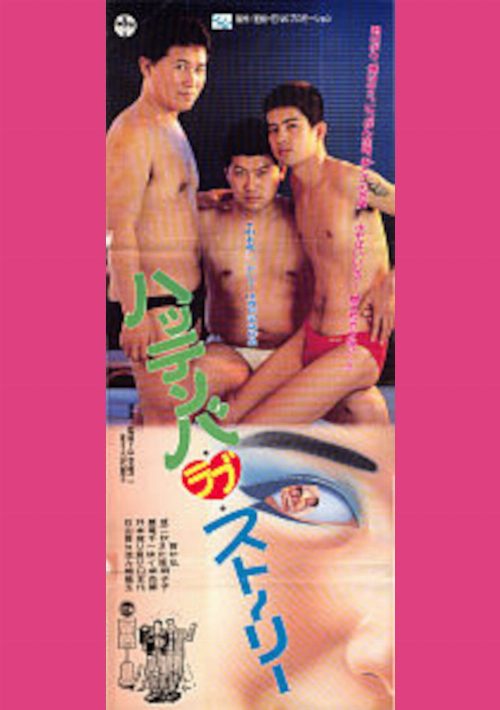
A junior high school teacher who happens to be a homosexual and falls in love with an extremely handsome young man he meets by chance in Hatten Park. The directorial debut of Ryuji Yamamoto.
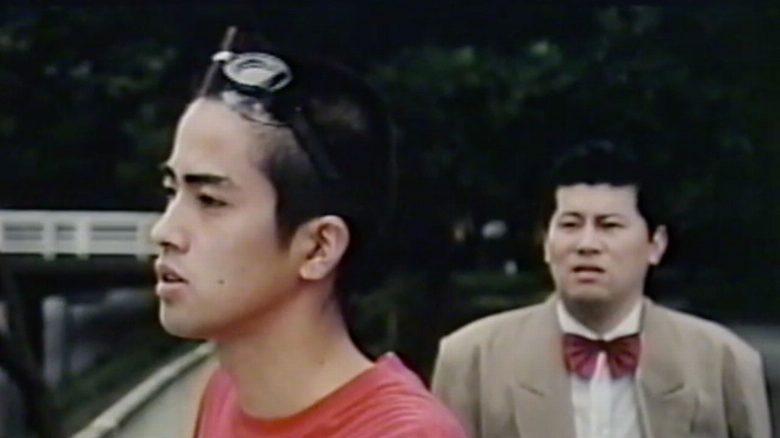
The early nineties marked a period of quiet but significant shifts in Japanese independent cinema, and Ryuji Yamamoto chose a bold path for his directorial debut with Cruising Love Story. By centering a narrative on a junior high school educator navigating his identity within the specific social fabric of Tokyo, the film offers an intimate glimpse into a subculture that rarely occupied the spotlight in mainstream media during that era. The premise revolves around a chance encounter at a public park, setting off a chain of events that balances lighthearted comedic beats with the earnest vulnerability of a budding romance. Unlike the high-gloss aesthetic that defined much of the bubble-era entertainment, this production leans into a grounded, observational style that reflects the everyday reality of its protagonist.
The film stands out for its willingness to explore themes of attraction and social expectation without resorting to the caricatures often found in contemporary genre pieces of the time. Hiroaki Sawazaki anchors the story with a performance that emphasizes the internal conflict of a man balancing his professional responsibilities with his personal desires. For viewers interested in the evolution of LGBTQ representation in Asian cinema, this 1991 release serves as a fascinating historical artifact. It captures a specific moment in time where Japanese filmmakers began to challenge traditional storytelling boundaries, carving out space for stories that prioritized human connection over commercial artifice. The chemistry between the leads provides the necessary heart to sustain the comedic elements, ensuring the tone remains engaging throughout.
Those who appreciate low-budget, character-driven dramas that favor atmosphere over spectacle will find much to admire here. It is a quintessential example of how independent directors in the nineties utilized limited resources to tell deeply personal stories that resonated with specific urban communities. By focusing on the nuances of a sudden, unexpected infatuation, the movie avoids grand melodramatic gestures in favor of small, relatable moments of tension and joy. Fans of international indie classics and those curious about the roots of modern Japanese romantic comedies will likely appreciate the sincerity and straightforward approach that Yamamoto brings to the screen. Even decades later, the film maintains a distinct charm, inviting modern audiences to witness an early, courageous attempt to bring marginalized perspectives into the wider cultural conversation of Japanese film history.
Cast(8)





Crew
Screenplay
Producer
Idea
Director of Photography
Editor
Executive Producer
Gaffer
First Assistant Director
Second Assistant Director
Similar Films