The Steamroller and the Violin(1961)
About The Steamroller and the Violin
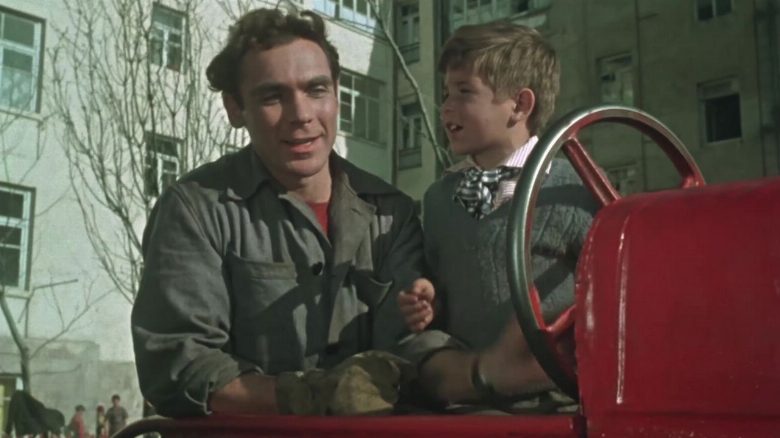
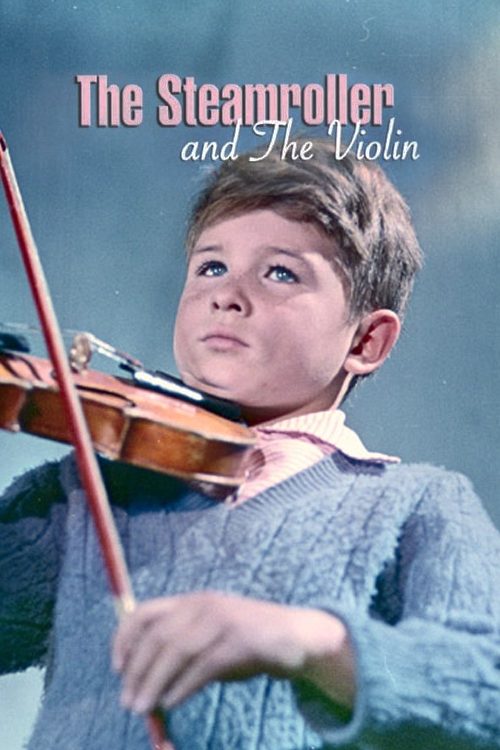
Seven year old Sasha practices violin every day to satisfy the ambition of his parents. Already withdrawn as a result of his routines, Sasha quickly regains confidence when he accidentally meets and befriends worker Sergei, who works on a steamroller in their upscale Moscow neighborhood.
Amidst the stark concrete landscapes of Soviet era Moscow, The Steamroller and the Violin emerges as a poignant study of childhood isolation and the bridge between two disparate worlds. This 1961 drama captures the rigid expectations placed upon a young boy, Sasha, whose daily life is dictated by the relentless demands of his musical education. While many films of that period leaned heavily into political propaganda or grand historical narratives, this production chooses a smaller, more intimate lens. It explores the quiet tension between the structured, bourgeois aspirations of the parents and the messy, authentic freedom of the working class, symbolized by a chance encounter between the boy and a local road construction worker.
The film stands out for its visual storytelling, which remains remarkably accessible even to modern audiences accustomed to faster pacing. The contrast between the delicate, high-strung nature of the violin and the heavy, earth-moving presence of the steamroller serves as a brilliant metaphor for the protagonist's internal conflict. It reflects a recurring theme in global cinema where the innocence of a child becomes a mirror for the social structures surrounding them. For viewers who appreciate the humanistic traditions of international classics, this film offers a refreshing departure from contemporary digital spectacles. It is a work that values silence and subtle gesture over dialogue, making it an essential watch for those interested in the evolution of Eastern European narrative styles.
Director Andrei Tarkovsky, in his early professional efforts, already demonstrates the poetic sensibility that would define his later, more abstract masterpieces. By focusing on the bond between the young Sasha and the laborer Sergei, the narrative bypasses common tropes of melodrama to focus on a genuine, fleeting connection that transcends age and social status. This film is highly recommended for cinephiles who seek to understand the foundational aesthetics of world cinema or those who simply enjoy character-driven stories that emphasize empathy. It is positioned as a timeless exploration of loneliness and the unexpected friendships that color our formative years, proving that the most profound shifts in a child's life often occur in the quietest, most unremarkable spaces. Through its balanced framing and careful attention to the textures of city life, the film manages to feel both like a historical artifact and a deeply personal reflection on the necessity of creative expression.