About Three Seconds
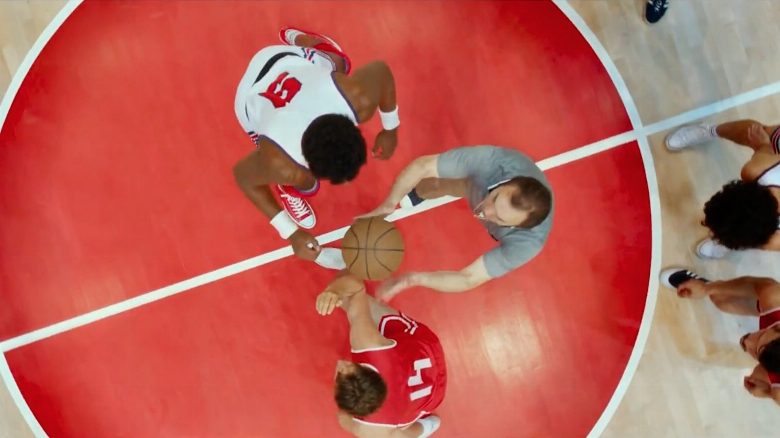
The story is set at the 1972 Munich Olympics where the U.S. team lost the basketball championship for the first time in 36 years. The final moments of the final game have become one of the most controversial events in Olympic history. With play tied, the score table horn sounded during a second free throw attempt that put the U.S. ahead by one. But the Soviets claimed they had called for a time out before the basket and confusion ensued. The clock was set back by three seconds twice in a row and the Russians finally prevailed at the very last. The U.S. protested, but a jury decided in the USSR’s favor and Team USA voted unanimously to refuse its silver medals. The Soviet players have been treated as heroes at home.
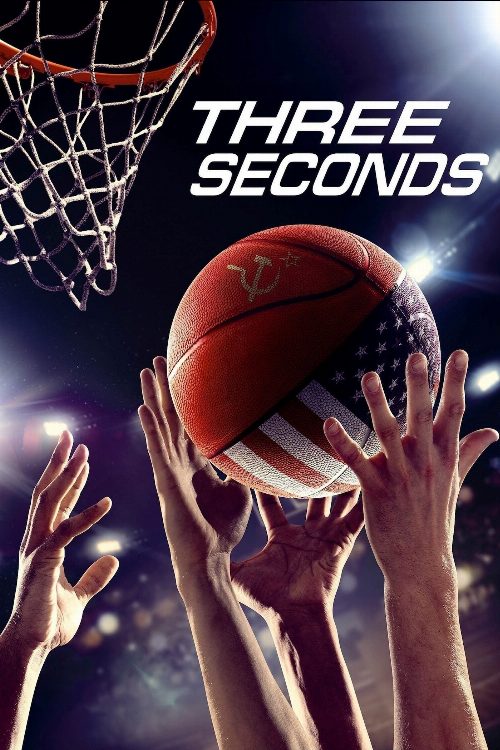
The world of sports cinema often pivots on the friction between national identity and individual grit, a theme that Three Seconds masterfully dissects through the lens of a Cold War era athletic clash. While Indian audiences are currently witnessing a surge in high-octane sports dramas that celebrate personal redemption and regional pride, this Russian production offers a distinct perspective by focusing on the intense political climate surrounding the 1972 Munich Olympics. The film captures the legendary basketball showdown between the Soviet Union and the United States, positioning the narrative not just as a game of hoops, but as a high-stakes standoff where every millisecond carries the weight of ideological supremacy. By centering on the infamous final three seconds of the match, the movie transforms a historical controversy into a pulse-pounding study of pressure, authority, and the audacity of the underdog.
The strength of the film lies in its ability to humanize the Soviet squad, moving beyond simple caricatures to explore the psychological burden placed upon athletes who were tasked with winning for a superpower. For fans of cinema that explores the intersection of history and athletics, this film resonates with the same narrative intensity found in global hits that depict underdog stories against impossible odds. The cast, featuring seasoned performers like Sergey Garmash and John Savage, brings a grounded gravity to the proceedings, ensuring that the human stakes are never lost beneath the historical backdrop. The director emphasizes the chaotic atmosphere of the arena, making the viewer feel the claustrophobic tension of a match that defied all conventional logic and forever altered the history of international basketball.
Viewers who enjoy films that challenge their perception of established historical narratives will find this feature particularly compelling. It does not merely recount the events as they appear in textbooks, but instead invites the audience to experience the disorientation and confusion felt by the players on the hardwood. This approach makes it a standout entry for anyone interested in how sports can serve as a proxy for geopolitical tensions. As the industry continues to evolve and favor stories that blend intense emotional arcs with grand spectacles, this production stands as a powerful example of how to adapt a singular, fleeting moment in time into a sprawling, multi-layered drama that lingers in the mind long after the final buzzer sounds.
Cast(29)