
About Days and Nights in the Forest
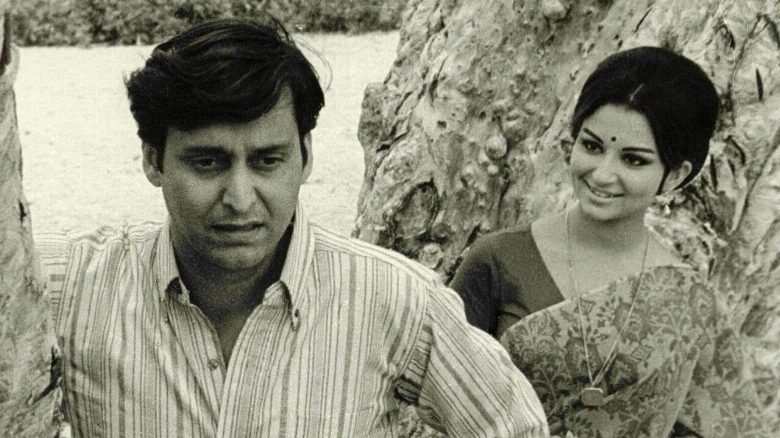
Four friends from Calcutta who have very different personalities make a holiday excursion into the country, to a tiny village in the state of Bihar where they set themselves up in a bungalow. A series of minor events, all connected to their respective reactions to their new environment, reveals their characters more deeply.
Satyajit Ray famously possessed an uncanny ability to peel back the layers of the modern urban psyche, and in Days and Nights in the Forest, he turns his gaze toward the friction between city-bred sophistication and the raw, unscripted reality of rural life. This 1970 masterpiece functions as a sophisticated character study that avoids the tropes of typical travel narratives. Instead of focusing on grand plot developments, the film centers on four young men from Calcutta who attempt to shed their professional identities during a brief getaway to a remote village in Bihar. By placing these distinct personalities in a setting that demands authenticity, Ray captures the subtle anxieties, pretenses, and dormant desires of a generation caught between tradition and emerging modernity.
The brilliance of the film lies in how it navigates the internal lives of its protagonists as they interact with the locals and each other. While the premise may seem like a straightforward escapist romp, the narrative is laced with a sharp, observant wit that scrutinizes the male ego and the shallow veneer of urban education. Soumitra Chatterjee anchors the ensemble with a performance that balances charismatic charm with an underlying sense of restlessness, making him the perfect vessel for Ray's exploration of middle-class identity. The film is an essential watch for cinephiles who appreciate the slow-burn psychological dramas that defined the Golden Age of Indian cinema, offering a window into a specific cultural epoch where the boundaries between the metropolis and the hinterlands were shifting rapidly.
Viewers who enjoy character-driven stories like those found in contemporary independent world cinema will likely find this work deeply resonant. It belongs to a lineage of Indian filmmaking that prioritizes human imperfection over dramatic artifice, positioning itself as a precursor to the nuanced ensemble dramas that continue to influence regional directors today. Whether it is the tension of unrequited attraction or the comedy of social awkwardness, the film remains remarkably relevant because it understands that people rarely change their nature, even when they change their coordinates. It serves as a reminder that the most profound journeys are not those that cover vast distances, but those that force individuals to confront the person staring back at them in the mirror. Anyone looking to understand the intellectual depth and stylistic versatility of Ray beyond his more famous epics should consider this an indispensable entry in their viewing rotation.
Cast(9)