About Sati
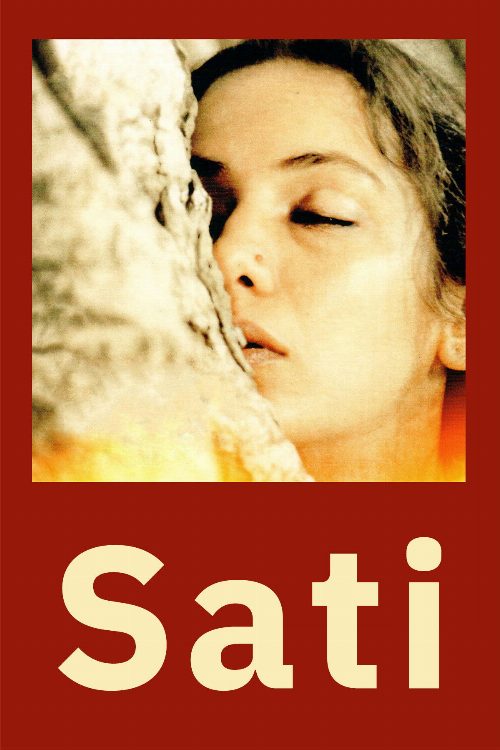
Uma, a mute Brahmin girl, lives with her uncle's family as she is an orphan. Since Uma has a faulty horoscope which indicate widowhood, the family finds it impossible to get her married off. According to a custom prevalent at the time, Uma is given in marriage to a tree.
Aparna Sen has long been a master of dissecting the rigid structures of social tradition within Indian cinema, and her 1989 feature Sati remains one of the most haunting indictments of patriarchal superstition ever put to film. The narrative centers on a young woman born into a Brahmin household whose life is dictated by the cruel intersection of astrology and archaic ritual. Because her birth chart predicts an early loss of her husband, the community deems her a social pariah, leading her family to perform a symbolic wedding between the girl and a tree. This act is not merely a quirk of the setting but a devastating commentary on how dogma systematically strips women of their agency and humanity, reducing their existence to a series of preventative measures against imagined misfortune.
The film serves as a vital artifact of late eighties Bengali cinema, a period defined by intellectual rigor and a refusal to shy away from the darker corners of rural life. By choosing a protagonist who cannot speak, Sen heightens the sense of isolation and powerlessness, forcing the audience to rely on the expressive visual language that has become a hallmark of her directorial career. This is not a film that offers easy comfort or a romanticized view of history; rather, it is a stark, atmospheric exploration of how collective belief systems can crush the individual spirit. The performances, anchored by a cast that understands the weight of these quiet, simmering tensions, bring a profound sense of gravity to the unfolding tragedy of a life sidelined by societal fear.
Viewers who appreciate the deliberate pacing and thematic depth found in the works of Satyajit Ray or Ritwik Ghatak will find much to admire in this production. It is a quintessential watch for those interested in the evolution of feminist perspectives in Indian storytelling, as it predates the more mainstream discussions on dowry and marriage customs that would gain traction in later decades. While the film is rooted in a specific historical context, the questions it raises about the intersection of religion and women's rights remain piercingly relevant. Those looking for a cinematic experience that challenges the status quo and lingers in the mind long after the credits roll should prioritize this masterful piece of historical drama. It stands as a testament to the power of the medium to act as a mirror for society, reflecting the uncomfortable truths that communities often prefer to keep buried under the weight of tradition.
Cast(10)