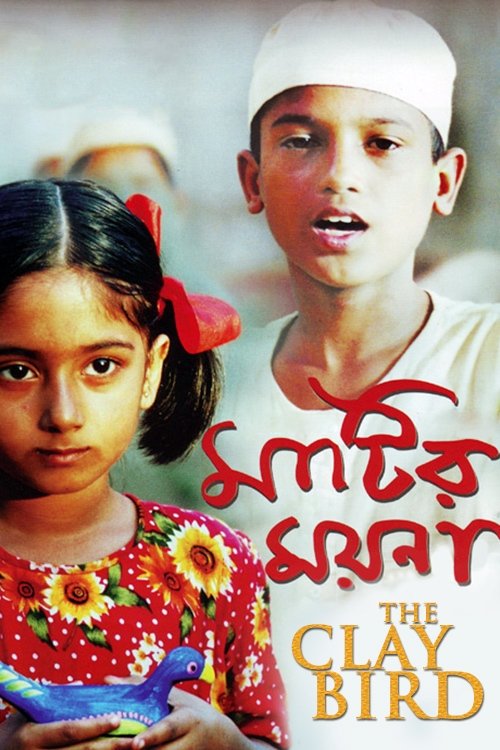
About The Clay Bird
A family must come to grips with its culture, its faith, and the brutal political changes entering its small-town world.
Tarek Masud remains a visionary figure in South Asian independent cinema, and his 2002 masterpiece The Clay Bird stands as a poignant landmark in Bengali filmmaking. Set against the backdrop of the turbulent late 1960s in East Pakistan, the narrative follows a young boy sent by his devout father to a traditional madrasa. This setting allows the film to explore the friction between rigid religious orthodoxy and the shifting currents of a society on the brink of a revolution. Unlike many period dramas that focus solely on the macro-political conflict, this story remains firmly grounded in the personal struggles of a family caught between their internal belief systems and the looming external pressure of political independence. It is a contemplative look at how identity is forged in the fires of national transformation.
The film is particularly striking for its visual restraint and its ability to capture the texture of life in rural Bengal. By centering the story on the formative experiences of a child, the director bypasses heavy-handed didacticism, instead offering a nuanced perspective on the diversity of Islamic practice and the human cost of extremism. For viewers who appreciate the contemplative pacing of world cinema or the grounded realism often found in the best of Indian regional art-house movements, this film offers an essential experience. It belongs to a lineage of films that prioritize atmosphere and character development over plot-driven spectacle, making it a rewarding watch for those interested in the historical sociology of the subcontinent.
The performances, particularly from the young leads, add a layer of raw authenticity that grounds the more intellectual themes of the script. The film does not position itself as a critique of faith itself, but rather as an examination of how humanity navigates the space between tradition and progress. Its relevance has only grown over the decades, as its questions about cultural heritage and political belonging continue to resonate globally. Those who enjoy the works of Satyajit Ray or the introspective depth of contemporary Malayalam dramas will likely find much to admire here. It is an enduring piece of cinema that invites the audience to observe, reflect, and engage with the complexities of a history that is still being written today.
Cast(48)