Death in the Bunker: The True Story of Hitler's Downfall(2004)
About Death in the Bunker: The True Story of Hitler's Downfall
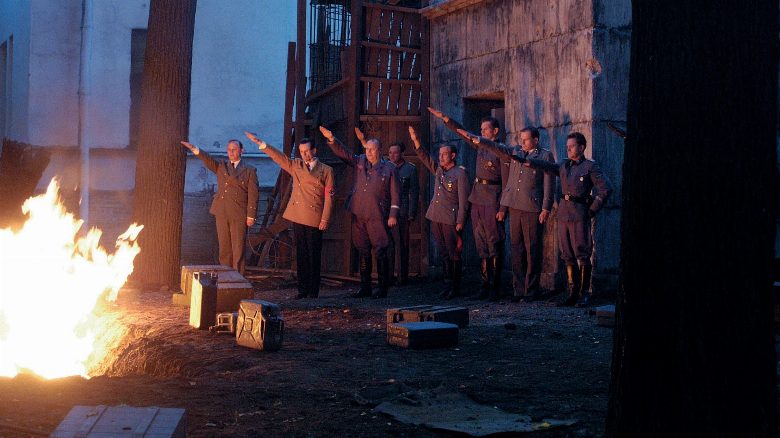
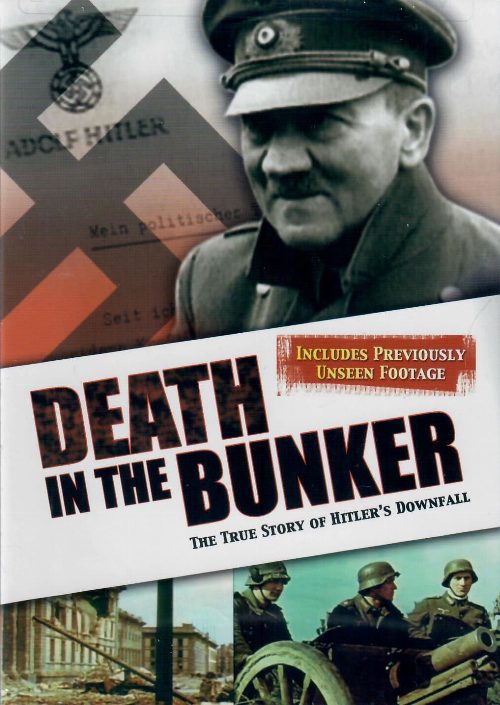
Adolf Hitler spent the last ten days of his life in a bunker underneath the Chancellery of the Reich. Unwilling to face the consequences of defeat, the dictator ended his own life on April 30, 1945 in this fortified underground complex. Featuring exclusive interviews with the last survivor’s of Hitler’s inner circle and extensive archival footage, Death in the Bunker is an illuminating look at the Führer’s final decisions in preparation for his suicide.
History often hides its most chilling chapters behind the cold precision of official records, yet Michael Kloft manages to peel back these layers with a surgical intensity in his 2004 documentary. By focusing on the claustrophobic atmosphere of the final days inside the Chancellery, the film pivots away from grand tactical maneuvers to examine the psychological decay of a regime in its death throes. It is a stark departure from typical war dramas that rely on sweeping battle sequences, opting instead for a haunting, intimate portrait of power collapsing into paranoia. For audiences accustomed to the high energy of modern Indian cinema, where historical epics often lean into larger than life heroism or stylized period aesthetics, this film offers a sobering contrast. It serves as a reminder that the most terrifying stories are those grounded in the grim reality of human fallibility and the consequences of absolute authority.
The documentary distinguishes itself by granting the audience rare access to the voices of those who were physically present during those final, desperate hours. Through these eyewitness accounts, the viewer is transported into the subterranean world where the leadership of a nation retreated as their world crumbled above them. This approach adds a visceral layer of authenticity that keeps the narrative from feeling like a static textbook entry. It is a challenging watch, designed for history enthusiasts and students of human behavior who want to look past the myths and understand the mechanics of a catastrophic endgame. By grounding the experience in the testimony of the inner circle, the production captures the eerie stillness of an empire waiting for its inevitable end.
For viewers who follow global cinema, this film occupies a unique niche that bridges the gap between investigative journalism and cinematic storytelling. While the industry in India continues to push boundaries with its own historical dramas, there is a distinct lesson to be learned from the way this documentary handles the weight of its subject matter without resorting to melodrama. Peter Buchholz and the rest of the contributors provide a grounding force, ensuring the focus remains on the historical gravity of the situation. It stands as a vital piece of non-fiction filmmaking that does not attempt to romanticize or mythologize the past. Instead, it invites the audience to observe the logical conclusion of unchecked hubris, making it a compelling study for anyone interested in the darker intersections of politics and personal demise.