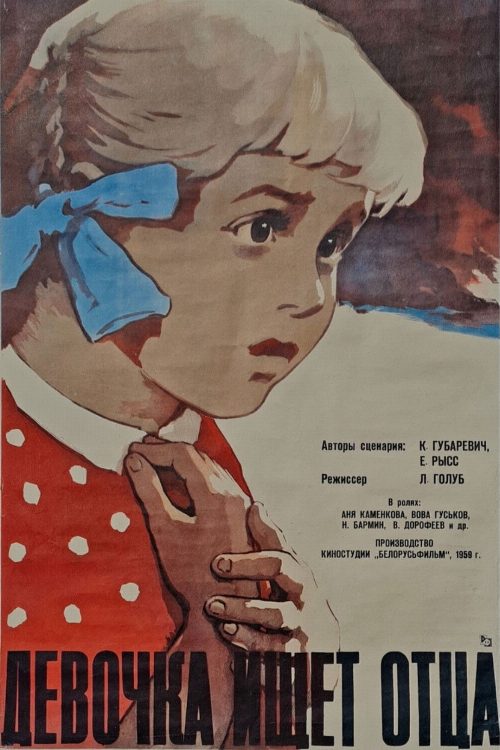
About Girl Seeks Father
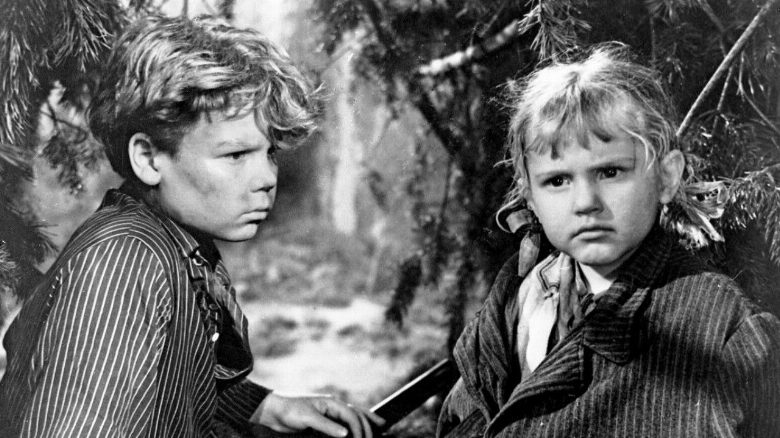
The film was set in Russia during World War II and is about a 5 year old girl searching for her partisan leader father while escaping from the Nazis. Nazis, trying to catch 5 years old girl to make her their hostage, because her father is the Soviet partisan commander, and young boy trying to save her. For some time, when little baby was lost in the forest alone or when Nazis finally caught two children your hope is almost broken.
Few cinematic explorations of the second world war capture the innocence of childhood against the backdrop of total devastation quite like the 1959 Soviet drama Girl Seeks Father. While contemporary audiences are often accustomed to the high-octane, hyper-stylized action sequences found in modern Indian blockbusters like RRR or the gritty, realistic war epics emerging from the Malayalam industry, this vintage production offers a starkly different, emotional intensity. The narrative centers on a young child navigating a brutal landscape, moving through the dense forests of occupied territory with a vulnerability that feels remarkably raw even decades after its release. It is a masterclass in tension, focusing less on the grand maneuvers of military strategy and more on the harrowing, intimate stakes of a singular, desperate journey.
The film is positioned as a quintessential piece of Soviet-era storytelling, yet its themes of displacement and the protective bonds formed in times of crisis resonate deeply with the sensibilities of global cinema fans. By centering the story on a toddler’s perspective, the director invites viewers into a world of high-stakes suspense where every rustle in the foliage could signal an encounter with enemy forces. For viewers who appreciate the character-driven narratives prevalent in world cinema festivals, this piece acts as a poignant reminder of how personal stakes can eclipse the political dimensions of conflict. It serves as a fascinating precursor to the survival dramas we see in today’s international market, demonstrating that the most effective way to depict the horrors of war is often through the eyes of those least equipped to understand them.
Watching this production today, one is struck by the timeless nature of the performances, particularly the work of the young cast members who carry the weight of the film on their shoulders. It is a must-watch for cinephiles who value historical perspective and those interested in how different regional industries have historically tackled the trauma of occupation. While the film is firmly rooted in a specific geopolitical era, the underlying message regarding the resilience of the human spirit transcends its linguistic and temporal origins. It stands as a profound contribution to the war drama genre, reminding us that even in the darkest chapters of history, the drive to preserve life and locate one’s roots remains a powerful, universal force. Whether you are a devotee of classic European cinema or simply a fan of emotionally resonant storytelling, this film provides a hauntingly beautiful experience that lingers long after the final frames.
Cast(13)