About Goyokin
A guilt-haunted samurai warrior attempts to stop a massacre taking place.
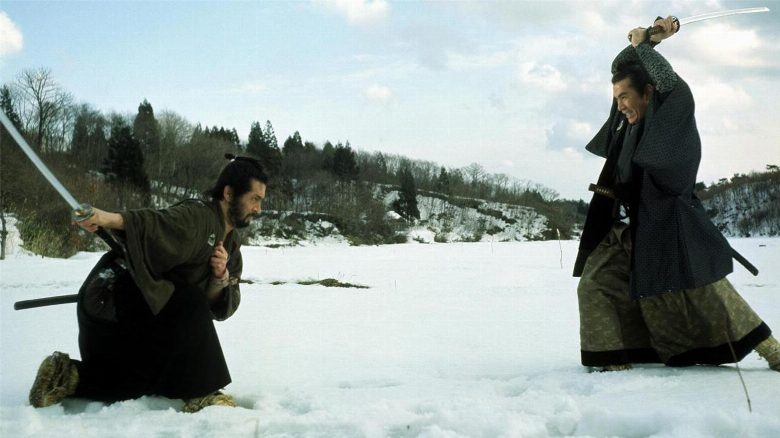
Hideo Gosha crafts a stark visual landscape in Goyokin that transcends the typical boundaries of the jidaigeki genre by focusing on the heavy psychological toll of political corruption. While many samurai epics rely on the kinetic energy of swordplay, this 1969 masterpiece prioritizes the internal erosion of a ronin who finds himself alienated from the violent machinations of his former clan. The film stands out for its deliberate pacing and its bleak, snowy atmosphere, which serves as a canvas for a narrative deeply concerned with the morality of silence versus the cost of intervention. It feels remarkably contemporary in its exploration of how institutional greed justifies atrocity, a theme that resonates across global cinema, including the hard-hitting political dramas currently emerging from the Indian landscape where protagonists often grapple with systemic rot.
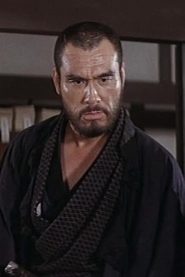
Tatsuya Nakadai delivers a performance of immense restraint, embodying a wanderer whose past experiences have left him weary of the code of bushido. His portrayal captures a man caught between his lingering loyalty to his brotherhood and the undeniable horror of an impending act of state-sanctioned violence. The film is perfectly suited for viewers who appreciate the slow-burn intensity found in the works of Akira Kurosawa or the grit of modern neo-noir thrillers. Unlike standard action vehicles that prioritize spectacle, this film demands patience, rewarding the audience with a complex meditation on accountability. It serves as a stark reminder that the most dangerous weapon in a corrupt society is the complicity of those who choose to look away.
The regional aesthetics of this production, particularly its masterful use of stark, freezing environments to mirror the protagonist’s emotional isolation, remain a benchmark for period filmmaking. For fans of Indian cinema who enjoy the thematic depth of historical epics or the moral ambiguity found in recent Malayalam and Tamil political thrillers, Goyokin offers a fascinating look at how genre storytelling can be elevated through thematic rigor. Hideo Gosha demonstrates a keen eye for framing the individual against the indifferent power of the state, ensuring the film remains a compelling watch for anyone interested in the anatomy of a hero who has lost his faith in the structure he once served. By eschewing easy heroism, the film cements its place as a sophisticated entry in the canon of international action cinema, proving that the most memorable battles are often those fought against one’s own conscience.
Cast(18)