Heads I Win, Tails You Lose(1982)
About Heads I Win, Tails You Lose
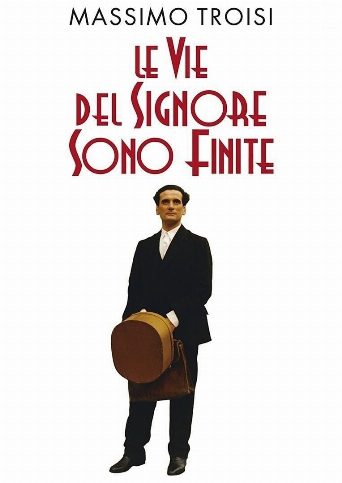
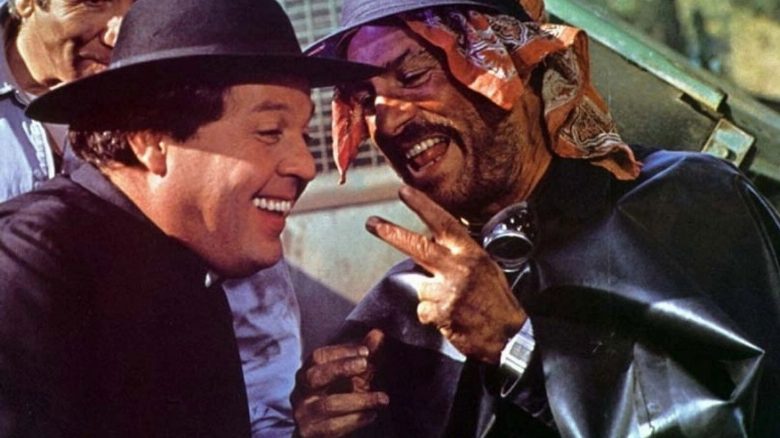
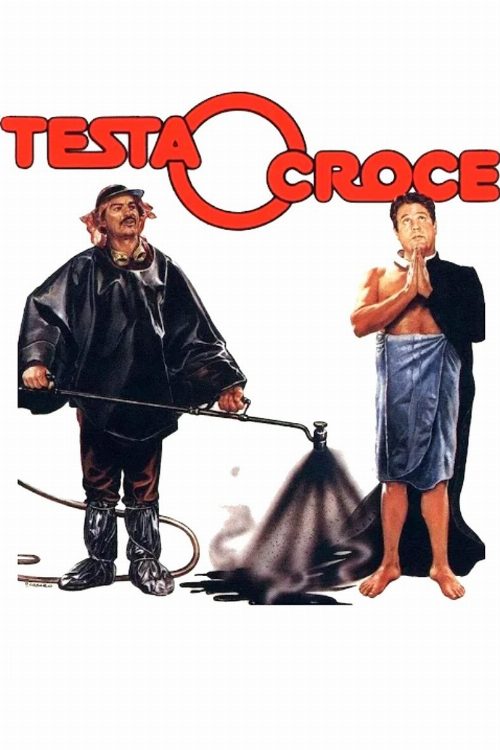
Two back-to-back stories that deals with two "taboo" themes, the celibacy of the clergy in the episode of Renato Pozzetto and the homosexuality in the one with Nino Manfredi.
In the realm of Italian cinema, where satire often dances with social commentary, a 1982 offering from director Marco Ferreri, Heads I Win, Tails You Lose, emerges as a bold exploration of societal norms. This anthology film, featuring distinct narrative threads, tackles subjects that were, and in many ways still are, ripe for discussion and often shrouded in silence. Ferreri, known for his often provocative and unconventional filmmaking, presents a dual narrative that seems designed to provoke thought and perhaps even a touch of discomfort, all through the lens of comedy.
The film is structured to present two seemingly disparate yet thematically linked scenarios, each delving into aspects of human experience that have historically carried significant social weight. One segment appears to examine the personal lives and potential internal conflicts of those bound by religious vows, while the other ventures into the complexities of same-sex relationships. By juxtaposing these stories, Ferreri invites viewers to consider the pressures, expectations, and personal journeys that unfold when individuals navigate identities and desires within the framework of established societal structures. The use of comedy here is crucial, likely serving as a disarming tool to broach sensitive topics with a lighter touch, encouraging audiences to engage with the material without immediate defensiveness.
Heads I Win, Tails You Lose is likely to resonate with viewers who appreciate films that are not afraid to push boundaries and engage with challenging themes. Fans of European auteur cinema, particularly those drawn to directors who employ humor to dissect societal taboos, will find much to appreciate. While the film hails from Italy, its exploration of universal human experiences in relation to societal expectations gives it a broader appeal. Those who enjoy character-driven narratives that offer a critical, yet often amusing, perspective on the human condition will find this a compelling watch, promising a thought-provoking cinematic experience that lingers long after the credits roll.
Cast(15)