
About i ai
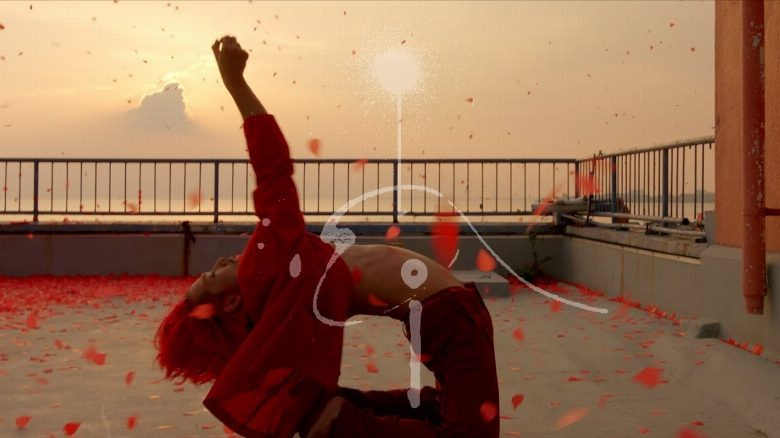
Kou, who had been living a dull life with no hope for the future, meets the charismatic Hee Bro. and regains the sparkle in his life. When Hee Bro. suddenly dies, Kou tries to find the definition of goodbye.
The Japanese cinematic landscape has long excelled at exploring the quiet, internal shifts that occur when an unexpected friendship disrupts a stagnant existence. In the 2024 drama i ai, director Keiichiro Takahashi taps into this tradition by focusing on the collision between a listless protagonist and an enigmatic force of nature. The film centers on Kou, a young man drifting through the motions of a lackluster daily routine until he encounters a figure known as Hee Bro. This pivotal meeting serves as the catalyst for a profound transformation, infusing Kou with a renewed sense of purpose and curiosity. By framing this connection through the lens of music and shared experience, the narrative captures the rare, electric moments that define human growth before shifting into a meditative exploration of loss and the difficult task of moving forward after a profound departure.
For audiences familiar with the current trajectory of independent Japanese cinema, i ai stands out as a character study that prioritizes emotional atmosphere over conventional plot beats. It avoids the melodramatic traps common in similar dramas, opting instead for a grounded look at how grief reshapes one's identity. Kyoko Koizumi and Mirai Moriyama anchor the story with nuanced performances that elevate the material, lending weight to the central bond that drives the film. The production feels particularly resonant for viewers who appreciate stories about the transient nature of influential relationships and the lingering impact of people who enter our lives only briefly but change our trajectory forever. It is a contemplative piece that demands patience, rewarding the audience with a poignant look at how we reconcile the joy of a meaningful bond with the hollow silence left behind when that bond is severed.
This project arrives at a time when global audiences are increasingly turning toward intimate, character-driven storytelling from Japan that explores the intersection of art and existential reflection. While the film is rooted in a specific Japanese cultural context, its thematic core—the search for meaning in the aftermath of a sudden transition—is universal. Those who enjoy contemplative slow-burn dramas or films that utilize music as a narrative heartbeat will likely find this an essential watch. By focusing on the concept of how we define the finality of a goodbye, the film positions itself as a mature, thoughtful entry in the 2024 lineup. It avoids easy answers, instead asking the viewer to sit with the complexity of memory and the difficult, often non-linear process of finding closure when the person who gave you your spark is no longer there to fan the flames.