
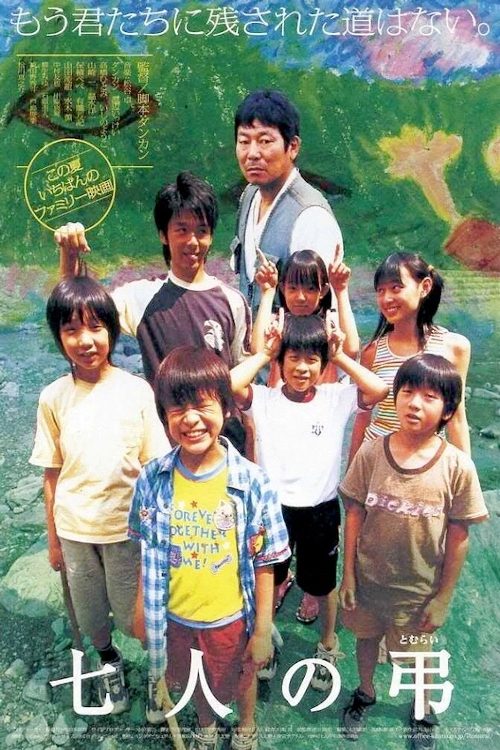
Innocent Seven(2005)
About Innocent Seven
Seven families are aboard a bus towards a field camp for their vacation. At this camp, it becomes clear that this is not a common trip. The parents are of the kind that abused their children or were visited by children's services, and at the camp they are offered to sell their children for a large sum of money, because there were customers that needed healthy internal organs.
Japanese cinema has long excelled at blending dark, discomforting social commentary with the structures of black comedy, and Innocent Seven stands as a particularly provocative example of this tradition. Released in 2005, the film invites viewers into a premise that feels like a twisted subversion of the typical family excursion narrative. By placing seven families on a bus bound for a remote retreat, the story quickly strips away the veneer of a wholesome vacation to expose a much grimmer reality. The film operates on a level of moral ambiguity that is both jarring and compelling, forcing the audience to grapple with the desperation of its characters as they confront an unthinkable offer. It is a bold exploration of parental failure and the commodification of human life, crafted with a cynicism that feels eerily ahead of its time.
For fans of Indian cinema who appreciate the gritty, high-stakes narratives often found in contemporary thriller dramas from industries like Malayalam or Tamil film, this movie offers a fascinating international parallel. While Indian films frequently lean into emotional melodrama or high-octane action, Innocent Seven focuses on a clinical, almost detached examination of human depravity. The narrative structure, which centers on a group of individuals who are all linked by their history of child neglect or state intervention, creates a pressure-cooker environment that keeps the tension palpable without relying on traditional genre tropes. It is a film for the sophisticated viewer who enjoys works by directors who are not afraid to push boundaries and challenge the ethical compass of their audience.
The performances from the ensemble cast, including Pepe Hozumi and Keito Ishihara, are essential to maintaining the film's uneasy tone. They manage to portray characters who are deeply unlikable yet somehow grounded in a recognizable, albeit extreme, reality. The film does not ask for empathy, but it does demand attention as it navigates the chilling transactional nature of the camp. By focusing on the intersection of crime and domestic tragedy, it avoids the pitfalls of typical slasher horror, opting instead for a psychological approach that lingers in the mind long after the credits roll. Whether you are a devotee of Japanese cult classics or simply interested in how global cinema tackles taboo subjects, this film serves as a stark reminder of how thin the line between desperate survival and pure evil can be.
Cast(15)