
About Jun
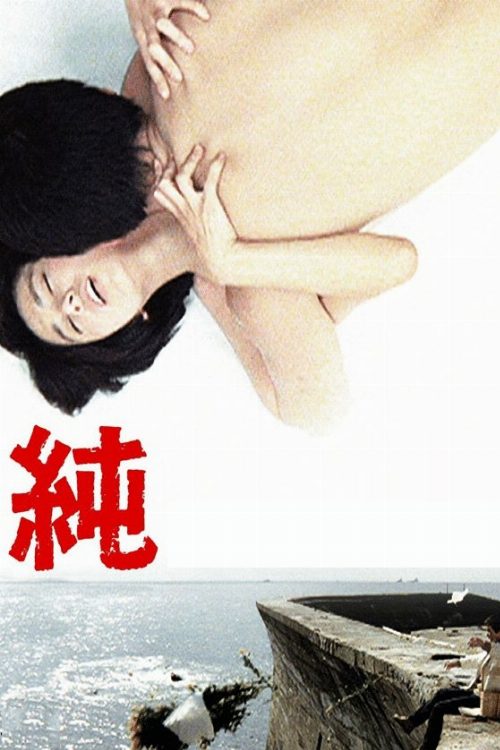
Jun has come to Tokyo from his family home, an island which resembles a ship. He works in a machine shop and is attempting to develop a career as a cartoonist in his spare time. When he travels around the town by subway, he has grown into the habit of groping female passengers in a sexual way. They never denounce him, and many seem to respond very favorably, moaning in apparent ecstasy. However, when his girlfriend sees him doing this, she denounces him to the police.
Within the landscape of Japanese cinema from the turn of the decade, Jun emerges as a haunting character study that delves into the fractured psyche of a young man caught between urban isolation and repressed desires. Directed by Hiroto Yokoyama, this 1980 drama strips away the glossy artifice often associated with coming of age stories to reveal a raw, uncomfortable portrait of alienation in Tokyo. While contemporary Indian audiences might be accustomed to films that navigate the complexities of masculinity and social conformity through dramatic confrontation, this Japanese feature takes a more internal and subversive route. The narrative follows a protagonist who anchors his identity in the stark contrast between his quiet life in a machine shop and his secret, transgressive rituals on the city subway.
The film stands out for its willingness to explore the shadows of human behavior without offering easy moral resolution. By situating the lead character as an aspiring artist who uses his daily commute for illicit gratification, Yokoyama forces the viewer to confront the disconnect between creative ambition and predatory impulse. The atmosphere is thick with the melancholic detachment of post-war Japanese youth, a theme that resonates across various Asian cinematic traditions where the rapid pace of modernization often left individuals feeling untethered. Maki Tachibana and the rest of the ensemble cast navigate this nuanced script with a restraint that emphasizes the eerie silence surrounding the protagonist. It is a work that demands a thoughtful viewer, one who appreciates slow-burning psychological tension over conventional plot beats.
For those who enjoy the gritty, grounded realism seen in classic world cinema, Jun serves as a fascinating time capsule. It captures a specific moment in Tokyo where the anonymity of public transit becomes a theater for private deviance, challenging the audience to observe the fallout of such behavior when it finally collides with personal relationships. The film avoids being a mere cautionary tale, opting instead to linger on the bizarre and unsettling reactions of those caught in the protagonist's orbit. It remains a provocative choice for film enthusiasts interested in how mid-century directors utilized the urban environment to mirror the internal rot of their characters. Whether you are a fan of Japanese auteur cinema or simply someone who enjoys character-driven dramas that refuse to provide simple answers, this 1980 release provides a deeply immersive, albeit deeply unsettling, cinematic experience.