About Nasty Diver
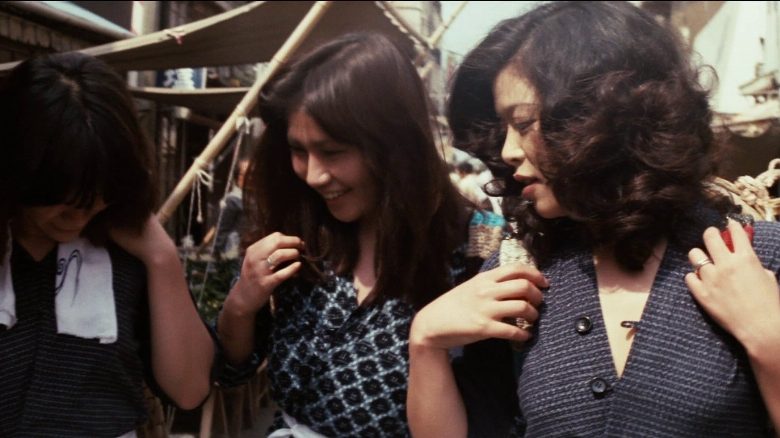
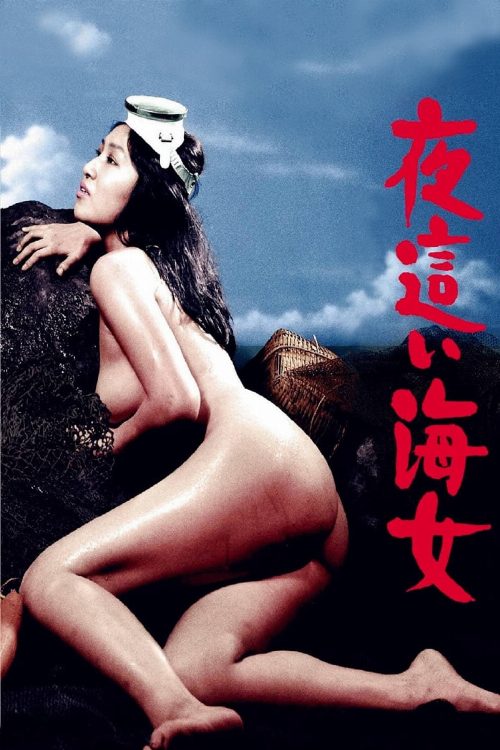
The amorous adventures of three shellfish divers who live and work in a rural fishing village.
Beyond the polished sheen of contemporary world cinema lies a distinct lineage of Japanese film that captures the raw intersection of human longing and harsh coastal labor. Atsushi Fujiura, a filmmaker often celebrated for his uncompromising gaze, presents Nasty Diver as a window into the secluded lives of a trio of female pearl seekers. Set against the backdrop of a remote fishing settlement, the narrative functions less as a standard drama and more as an evocative study of how isolation shapes personal identity and desire. While global audiences might be more accustomed to the high-concept thrillers or historical epics that frequently emerge from the Japanese studio system, this 1977 production serves as a fascinating relic of a period when independent directors were experimenting with the boundaries of human intimacy in cinema.
The film distinguishes itself by grounding its thematic weight in the physical reality of its setting. By focusing on the daily routines and the unspoken social dynamics of these divers, Fujiura invites viewers to consider the fluidity of morality in a tight-knit, traditional community. It is a work that prioritizes atmosphere over traditional plot progression, making it a compelling choice for those who appreciate the slower, more deliberate pacing of seventies art-house features. Unlike modern dramas that might lean heavily on exposition, this piece trusts the audience to interpret the unspoken tensions that manifest between the lead characters, played with a sense of grounded realism by Naomi Tani and her peers.
For enthusiasts of global cinema, Nasty Diver provides a glimpse into the specific cultural anxieties of post-war rural Japan. It sits comfortably alongside the works of other auteurs who sought to explore the hidden lives of marginalized workers, positioning itself as a vital piece of the era’s broader cinematic landscape. The film is best suited for viewers who gravitate toward character-driven narratives that challenge conventional storytelling norms and those with an interest in the evolution of Japanese independent film. By stripping away the artifice often found in mainstream entertainment, the director forces a confrontation with the complexities of the human spirit. Whether one views it through a sociological lens or as a pure exercise in stylistic mood, the movie remains an intriguing point of entry into a bygone era of international filmmaking that remains as provocative today as it was upon its original release.
Cast(14)