About Odcházení
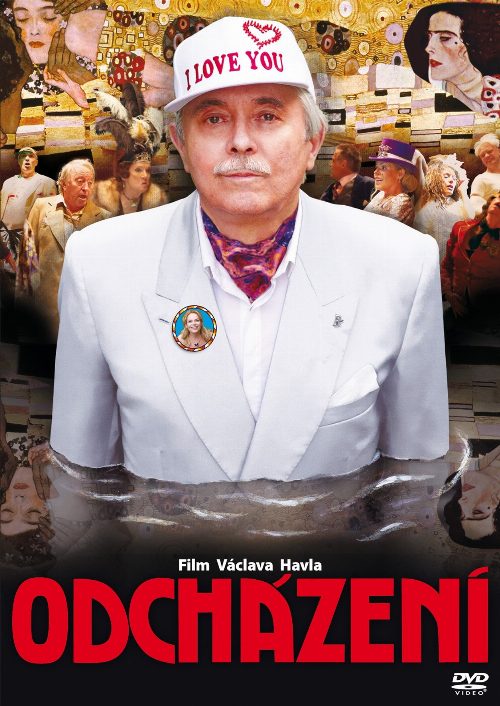
A bitter sweet comedy that follows a highly appointed Chancellor who set to step down from his position after years of service to his country. With just two last days left to enjoy his palatial villa before he is finally evicted, his situation gradually goes from bad to worse.
Few cinematic works manage to capture the peculiar melancholy of public obsolescence with as much theatrical flair as Odchazeni. Directed by Vaclav Havel, the film serves as a poignant, surreal reflection on the nature of authority and the inevitable indignity that accompanies the loss of political standing. By focusing on a high-ranking official grappling with his final moments of state-sanctioned relevance, the narrative transcends its premise to become a broader meditation on ego and the fragility of status. It occupies a unique space in European cinema, blending the sharp, observational wit found in contemporary independent dramas with a distinct, stage-bound sensibility that feels both intimate and grandly absurd.
The story centers on the protagonist as he prepares to vacate a sprawling estate that has served as both his sanctuary and his symbol of power. As the clock ticks down toward his forced departure, the film masterfully depicts his unraveling world, where loyalties shift and the trappings of his former life begin to crumble. Much like the complex character-driven narratives currently gaining traction in the global arthouse circuit, this film relies heavily on the nuanced performances of its ensemble cast, particularly Josef Abrham, who brings a weary gravitas to the role of the departing leader. The domestic chaos that ensues is handled with a dark, rhythmic humor that highlights the irony of a man who once shaped a nation but now struggles to navigate the simple logistics of packing his life away.
For viewers who appreciate introspective European character studies, this film offers a fascinating look at the internal landscape of a man in transition. It is particularly well-suited for those who enjoy films that prioritize witty, literate dialogue over high-octane spectacle, echoing the tone of sophisticated political satires. Given its origins from a writer-director who understood the machinery of statecraft from the inside, the film possesses an authentic, albeit cynical, charm that is hard to find in mainstream projects. Whether viewed as a character comedy or a somber dramatic piece, the work stands as a testament to the idea that the hardest part of letting go of power is acknowledging that the world continues to spin just as effectively without you at the helm. It remains a compelling watch for anyone interested in the intersection of personal identity and public life, proving that the most profound transitions often occur in the quiet, pressurized spaces of our own homes.
Cast(22)