About Witchhammer
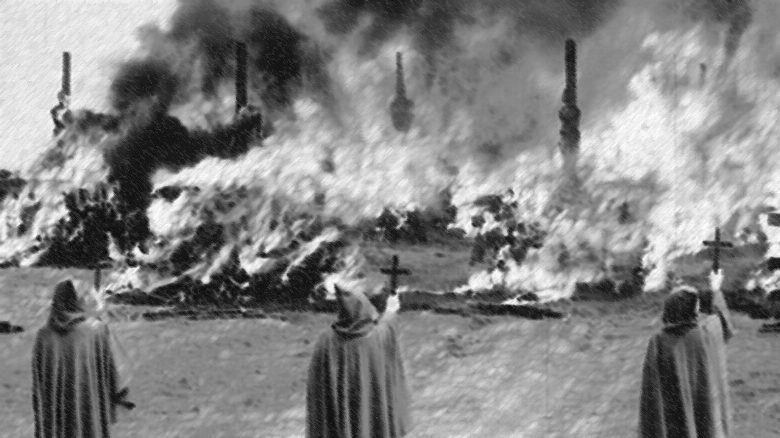
In the 1600s, an overzealous clergy hauls innocent women in front of tribunals, forces them to confess to imaginary witchery, and engages in brutal torture and persecution of their subjects.
The haunting echoes of seventeenth-century paranoia find a chilling mirror in Witchhammer, a Czechoslovakian masterpiece that transcends its period setting to offer a scathing critique of systemic corruption. By focusing on the mechanics of institutionalized terror, the film moves beyond the typical trappings of historical horror, instead opting for a clinical, almost documentary-like examination of how fear is manufactured to consolidate power. While the Indian film industry often leans into folklore and supernatural tropes when exploring similar themes, this classic European drama stands out for its grounded, terrifyingly human portrayal of malice. It is a stark reminder that the most dangerous monsters are rarely mythical, but rather the individuals who wield the law as a weapon to dismantle the lives of the vulnerable.
For viewers who appreciate the intense sociopolitical narratives found in contemporary Malayalam or Marathi cinema, Witchhammer will feel remarkably familiar in its thematic weight. It captures the claustrophobia of a society bending under the weight of dogma, much like the best works of modern regional directors who challenge societal norms through the lens of history. The film is perfectly suited for those who prefer cerebral thrillers that demand undivided attention, rather than the fast-paced action sequences that dominate many global markets today. Its deliberate pacing creates an atmosphere of mounting dread that is far more effective than traditional jump scares, forcing the audience to confront the reality of how easily justice can be subverted by those in positions of authority.
The production remains a cornerstone of its national cinema, celebrated for its ability to draw parallels between the distant past and the fragile political landscapes of its own time. By stripping away the romanticism often associated with historical dramas, it forces a direct engagement with the darker impulses of human nature. Fans of auteur-driven filmmaking will likely find themselves captivated by the stark visual language and the formidable performances that ground the narrative in genuine anguish. It is not merely a film about past injustices; it is a profound study of institutional failure that continues to resonate with modern audiences who recognize the dangers of unchecked zealotry. Whether you are a scholar of international film history or simply a fan of intense, character-driven storytelling, this work provides an essential, albeit unsettling, viewing experience that lingers long after the final frames vanish from the screen.
Cast(37)