About We Are Never Alone
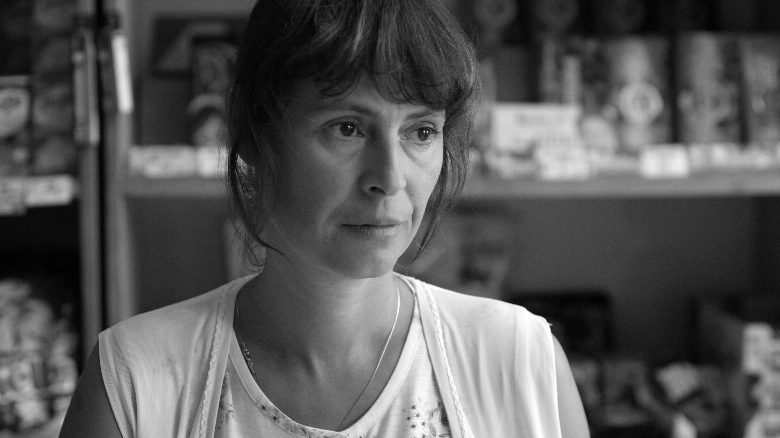
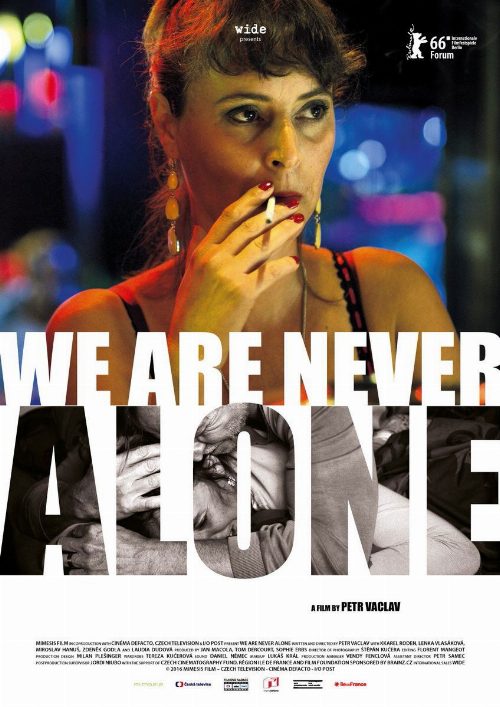
Somewhere in the middle of nowhere in the Czech provinces, a handful of people come together: a paranoid prison guard, his hypochondriac neighbour and the latter’s silent, despairing wife, a lovesick nightclub manager and a stripper who is a single mum.
Petr Vaclav crafts a haunting portrait of post-communist disillusionment in We Are Never Alone, a film that feels remarkably distant from the polished gloss of modern global dramas. Set against the bleak, atmospheric backdrop of the Czech provinces, the story weaves together the lives of individuals struggling to find meaning within a landscape defined by stagnation and quiet desperation. Rather than relying on sweeping cinematic gestures, the director focuses on the raw, uncomfortable intersections of a prison guard, a fragile neighbor, and a weary mother working in a local club. The result is a narrative that captures the suffocating nature of small-town life, where every personal choice seems to ripple through a community already fraying at the edges.
This film stands out for its refusal to romanticize the struggles of its protagonists, opting instead for a gritty realism that echoes the introspective intensity often found in the best of European auteur cinema. For viewers who appreciate the character-driven depth seen in contemporary Indian independent films—where regional social anxieties are often explored with unflinching honesty—this Czech drama offers a compelling parallel. It operates as a psychological study of isolation, questioning whether true connection is even possible when one is trapped by their own prejudices and systemic neglect. The casting of Karel Roden, a heavyweight of Czech cinema, brings a palpable tension to the screen, grounding the more chaotic elements of the plot in a weary, lived-in performance that demands the audience's full attention.
We Are Never Alone is positioned for spectators who prefer slow-burn narratives that prioritize mood and subtext over traditional plot mechanics. It is a film for those who find beauty in the melancholy, challenging the viewer to look past the surface-level misery to see the desperate, human need for recognition. As the lives of these disparate figures collide, the story forces a confrontation with the uncomfortable truth that while we may share a geographic space, we are often profoundly alone in our suffering. It is a somber, thought-provoking addition to the landscape of international drama, serving as a reminder that the most powerful stories are often found in the margins of society where the light rarely reaches.