About Our Neighbor, Miss Yae
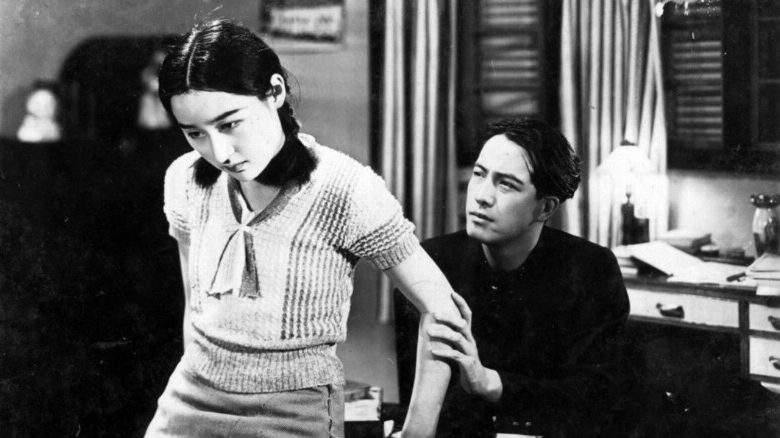
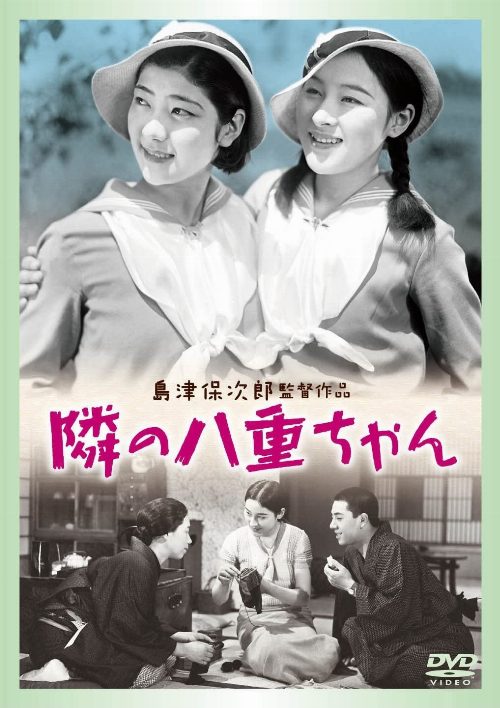
Keitaro is a law student and Yaeko is a high school girl. They are neighbors, and their friendship is starting to develop into something more romantic. Then, Yaeko's sister Kyouko has a breakup with her husband and returns home. Kyouko is clearly interested in Keitaro and Yae becomes anxious.
Tracing the quiet evolution of domestic dramas in early twentieth century Japanese cinema reveals a fascinating preoccupation with the delicate friction between traditional family structures and emerging youthful independence. Our Neighbor, Miss Yae serves as a poignant time capsule of this transition, capturing a slice of life that feels remarkably intimate despite its age. While many films of the 1934 era focused on grand social statements or historical epics, this production opts for the miniature scale of a shared residential wall. The story centers on a law student and his teenage neighbor, whose budding affection is suddenly tested by a disruptive homecoming. When the girl’s older sister returns after a marital separation, the resulting emotional triangle complicates what was once a simple, neighborly bond.
For viewers accustomed to the high intensity of modern global cinema, this film offers a refreshing shift in pacing and focus. It belongs to a golden era of Japanese filmmaking where directors mastered the art of visual subtlety, using simple household settings to convey complex internal conflicts. The narrative tension does not rely on explosive confrontations but rather on the shifting glances, hesitant conversations, and quiet anxieties of characters trapped in close proximity. Fans of classic world cinema will find the observational style deeply rewarding, as it highlights how universal the growing pains of adolescence and the complexities of sibling dynamics were nearly a century ago. It acts as a mirror to a society in flux, where duty to family often collided with the individual desire for romantic discovery.
The film stands out for its delicate handling of jealousy and social expectation, avoiding the melodramatic tropes that often defined dramas of that period. By grounding the conflict in the mundane reality of living next door to one another, the director creates a sense of vulnerability that remains relatable to contemporary audiences. The cast brings a grounded authenticity to their roles, ensuring that the stakes feel high even within the confines of a quiet neighborhood. This is an essential watch for cinephiles interested in the roots of the Japanese domestic drama genre. Whether you are a student of film history or simply someone who appreciates a character-driven story about the fragility of human relationships, this classic provides a compelling look at the emotional landscapes that bridge the gap between yesterday and today.