About Palace
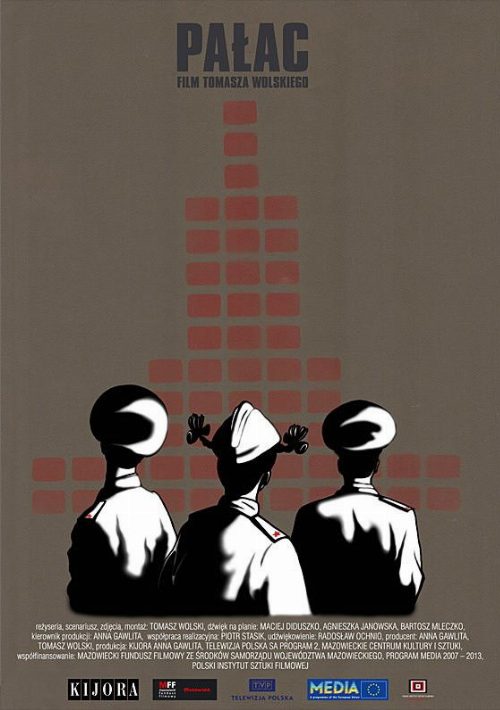
Documentary about Palace of Culture and Science located in Warsaw. It shows footage of everyday life in this iconic building. Movie is lacking any commentary - every scene speaks for itself.
Standing as a colossal limestone sentinel in the heart of Warsaw, the Palace of Culture and Science remains a polarizing relic that demands a closer look through the lens of observational cinema. In his 2012 documentary simply titled Palace, director Tomasz Wolski strips away the traditional trappings of historical retrospectives, opting instead for a pure, fly-on-the-wall perspective. Rather than leaning on historians to decode the symbolism of this Soviet-era monolith, the film invites the audience to become silent participants in the daily rhythm of its corridors. This approach mirrors the growing global trend of experiential nonfiction, where the absence of voiceover narration forces viewers to find their own meaning within the architecture of everyday life.
For fans of international documentary filmmaking, this project acts as a masterclass in visual storytelling. By focusing on the minutiae of the building's internal ecosystem—from the busy cleaning crews and bureaucratic office workers to the quiet corners that tourists rarely encounter—the work transforms a static landmark into a living, breathing character. It is an ideal recommendation for those who appreciate the aesthetic rigor found in the works of directors who prioritize atmosphere over exposition. While the film is rooted deeply in the specific socio-political history of Poland, its silent study of human movement within a monumental space resonates with anyone interested in how architecture dictates and shapes our existence.
The film feels remarkably intimate, a stark contrast to the imposing, cold exterior of the structure itself. Wolski captures the strange, often contradictory reality of a building that was once a symbol of external influence but has since been reclaimed by the mundane routines of local citizens. Those who follow the evolution of European documentary styles will recognize this as a pivotal piece that avoids the trap of nostalgia or political judgment. Instead, it offers a window into a hidden world, making it a contemplative choice for cinema enthusiasts who prefer to interpret the subtext of a frame without being told how to feel. Whether viewed as an archival study of a capital city or a quiet meditation on the passage of time, the film stands as a testament to the power of the camera as a detached, yet profoundly observant, witness to history.