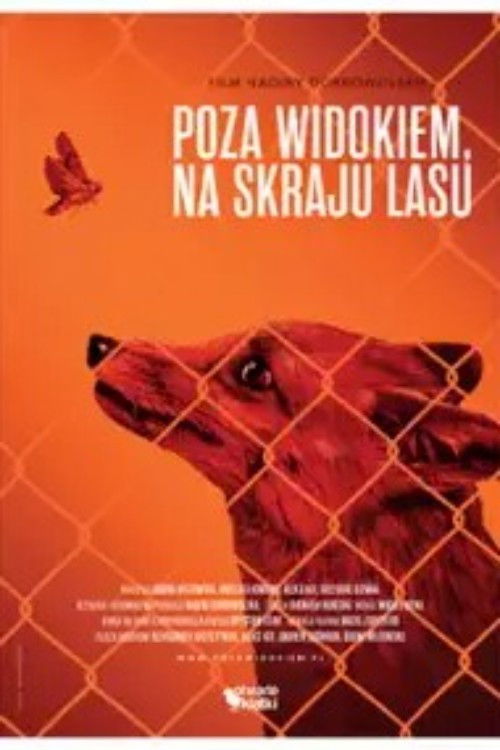
About Poza widokiem, na skraju lasu
Few documentary projects manage to capture the fragile intersection of human ambition and the untamed wilderness with the quiet intensity found in Poza widokiem, na skraju lasu. Directed by Nadina Dobrowolska, this 2024 Polish feature moves away from the explosive pacing often associated with contemporary observational cinema, opting instead for a contemplative study of coexistence near the forest edge. By focusing on the tension between those who see the landscape as a resource to be managed and those who view it as a protected sanctuary, the film taps into a universal anxiety regarding ecological preservation that resonates just as strongly with global audiences as it does with viewers of Indian cinema who are increasingly seeing environmental themes woven into regional storytelling.
The film distinguishes itself through its diverse cast, bringing together voices from political and agricultural spheres such as Malgorzata Tracz, Daniel Zurek, and Szczepan Wojcik. Rather than settling for a standard journalistic investigation, Dobrowolska orchestrates a complex dialogue between these figures, allowing their conflicting philosophies to breathe within the frame. For followers of world cinema, this approach feels reminiscent of the slow-burn narratives found in acclaimed Malayalam or Marathi social dramas, where the focus remains on the granular reality of daily life rather than sensationalized conflict. It is a work that demands patience, rewarding those who appreciate documentaries that prioritize atmospheric immersion over rapid-fire exposition.
Viewers who enjoy character-driven pieces that challenge their preconceived notions of land rights and environmental duty will find this work particularly compelling. It does not provide easy solutions or lean toward a singular moral conclusion, which makes it a refreshing departure from heavily editorialized documentaries. Instead, it places the audience at the metaphorical boundary of the woods, forcing an honest look at the messy, often contradictory nature of modern governance and local activism. For those who track the work of emerging European documentarians, this film marks a significant step in the director’s exploration of spatial politics. Whether or not one is familiar with the specific Polish landscape being portrayed, the fundamental struggle between preservation and industrial progress is a narrative that transcends borders, making it a must-watch for anyone who values cinema that encourages deep reflection on the world we inhabit.