About Pastoral: To Die in the Country
A director faces creative block while working on his latest film – a reimagination of his adolescence growing up in a mountain village in rural Japan.
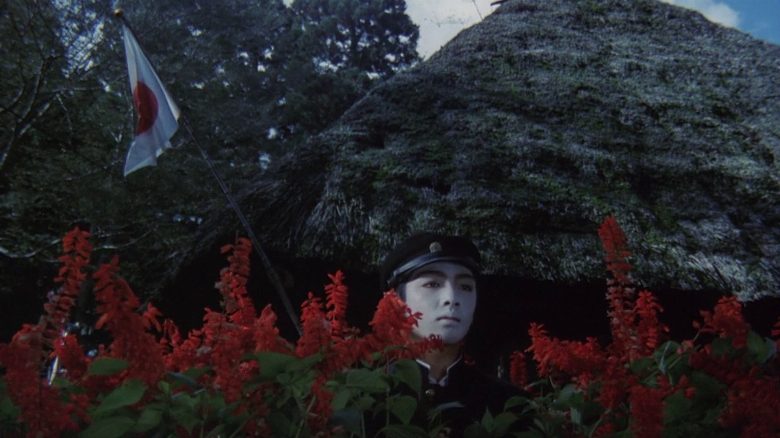
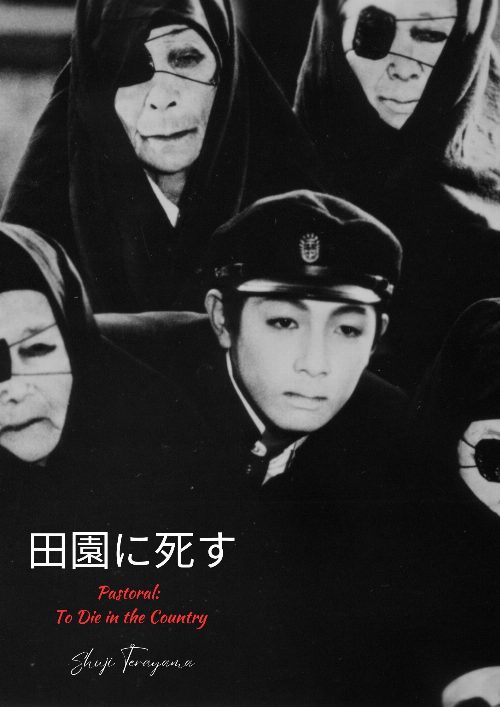
Shuji Terayama remains a singular force in the landscape of twentieth century world cinema, a visionary whose work often functions as a fever dream constructed from the remnants of memory. Pastoral To Die in the Country is perhaps his most potent exploration of the blurred lines between autobiography and phantasmagoria. In this haunting piece of Japanese cinema, the narrative frame centers on a filmmaker who finds himself paralyzed by the difficulty of translating his own upbringing into art. By revisiting his formative years in a secluded mountain settlement, he invites the audience into a surrealist landscape where the rigid walls of reality are constantly being dismantled by the subconscious. It is a film that demands total immersion, favoring poetic imagery and symbolic weight over the linear storytelling often favored by contemporary mainstream audiences.
For those who track the evolution of regional Indian cinema, particularly the experimental movements emerging from the independent sectors of Malayalam or Tamil film industries, this work offers a masterclass in how to weaponize nostalgia. Terayama does not merely document the past; he interrogates it, treating his childhood home as a stage for recurring obsessions with death, desire, and the stifling nature of tradition. While modern audiences raised on the fast-paced editing of current blockbusters might find the pacing deliberate, there is a profound resonance here for viewers who value atmosphere and visual metaphor. The film stands as a stark departure from the polished, studio-driven dramas of its era, marking it as an essential watch for enthusiasts of avant-garde storytelling who appreciate films that challenge the medium itself.
The brilliance of this production lies in its refusal to offer the viewer a comfortable seat. It is positioned as a psychological puzzle, asking whether we can ever truly recapture the essence of our origins without distorting them through the lens of our current self. Isao Kimura brings a nuanced, weary gravitas to the screen that grounds the more fantastical elements of the plot, providing a necessary anchor as the film oscillates between stark realism and vibrant, theatrical artifice. By positioning the creative process as a form of exorcism, the director invites us to consider how we all curate our own histories. This is not a film for passive consumption, but rather a profound meditation on the heavy toll of looking backward, making it a timeless choice for anyone interested in how directors manipulate the language of film to process the complexities of their own existence.
Cast(13)