About Postman Blues
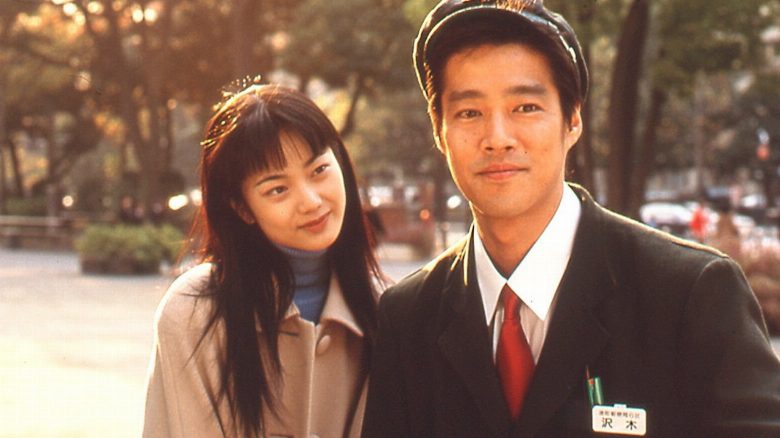
Sawaki is a postman who's not quite thrilled about his boring way of life. But his life is about to change when he delivers mail to his old schoolmate Noguchi, who's now a member of the Yakuza, the Japanese Mafia, and just finished cutting his little finger off.
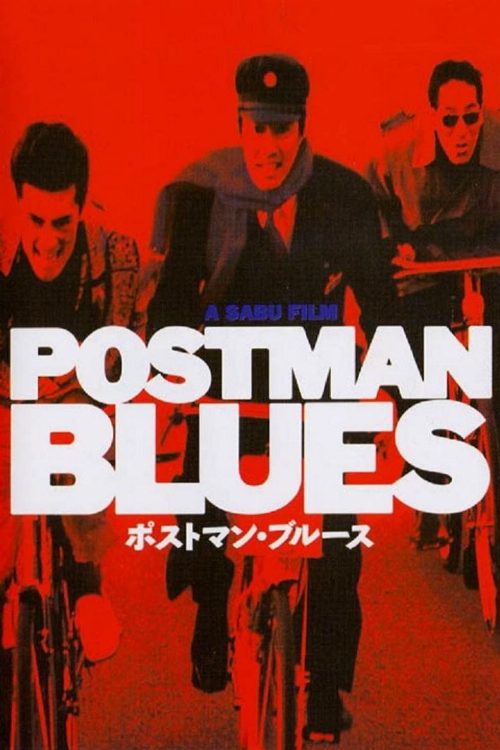
Sabu has long been a master of the existential comedy, and Postman Blues stands as a definitive pillar of his eccentric filmography. The story follows a mail carrier whose existence is defined by the repetitive rhythm of his daily route, a monotony that is shattered by a series of bizarre coincidences. By stumbling into the orbit of a former classmate turned underworld enforcer, the protagonist finds himself caught in a whirlwind of misunderstanding that escalates from quiet contemplation to chaotic absurdity. This 1997 cult classic serves as a bridge between the gritty crime dramas of the era and the quirky, character-driven narratives that define modern Japanese indie cinema.
For audiences familiar with the high-octane energy of contemporary Indian cinema, this film offers a fascinating contrast. While many regional industries today lean into grand spectacle or hyper-stylized action, this picture relies on the dry, deadpan humor that characterizes much of the Japanese New Wave. It explores the fragility of identity and how a single, misinterpreted action can derail a mundane life. The film belongs to a lineage of movies that prioritize atmosphere and character quirks over traditional plot progression, making it a perfect recommendation for those who appreciate the offbeat charm found in the works of directors like Wes Anderson or the more contemplative side of Asian auteur cinema.
Leading man Shinichi Tsutsumi delivers a performance that anchors the film amidst its mounting insanity, portraying a man who remains strangely detached even as the world around him spirals into violence. His portrayal of a worker longing for significance is universally relatable, transcending cultural boundaries. The film is essentially a meditation on the masks we wear and the unpredictable nature of fate, wrapped in a stylistic package that feels refreshingly distinct from mainstream offerings. Whether you are a devotee of international cult classics or simply looking for a story that defies conventional genre categorization, this film provides an engaging look at the intersection of bureaucratic boredom and criminal chaos. It remains a vital watch for anyone interested in how Japanese filmmakers of the late nineties challenged narrative norms through a blend of melancholy and slapstick, proving that even a routine trip to deliver mail can lead to a profound transformation of the self.
Cast(17)