
About Re-Wind
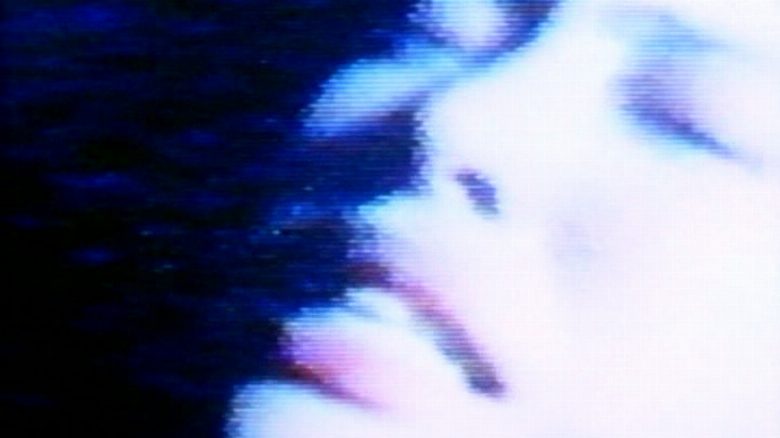
An investigation into a videotape that shows the results of a brutal murder committed using a knife-equipped camera.
The late eighties in Japanese cinema birthed a distinct strain of psychological dread that thrived on the intersection of new media anxiety and visceral terror. Re-Wind stands as a curious artifact of this era, arriving when the proliferation of home video equipment began to shift how audiences perceived the boundary between the viewer and the viewed. While contemporary global horror often leans on supernatural tropes or digital ghosts, this film finds its potency in the mechanical and the tangible. It centers on the discovery of a recording that captures the aftermath of a lethal encounter, utilizing a premise that turns the act of observation into an accomplice in violence. By tethering the horror to a physical tape and a weaponized lens, the narrative taps into an primal fear of being watched, a theme that has gained renewed relevance in our current age of constant surveillance.
For enthusiasts of Asian genre cinema, this title serves as a fascinating precursor to the found footage explosion that would dominate the late nineties. It shares a certain DNA with the experimental Japanese horror movements that prioritized oppressive atmosphere over simple jump scares. The industry at the time was moving away from the more theatrical ghost stories of the past toward a colder, more clinical approach to violence, and this film is positioned squarely within that transition. Audiences who appreciate the deliberate pacing of classic J-horror or the unsettling realism found in cult thrillers will likely find its clinical detachment deeply effective. It eschews the comfort of high-budget spectacle in favor of a low-fi, claustrophobic experience that relies on the viewer filling in the blanks.
The cast, including Rino Shimazaki and Masae Abe, navigates the shifting tension with a grounded intensity that prevents the premise from veering into pure exploitation. There is a palpable sense of unease in their performances, reflecting the helplessness of individuals caught in a loop of recorded trauma. Because the film avoids modern tropes, it retains a timeless, grainy authenticity that feels increasingly rare in today’s polished digital landscape. It is recommended for those who view cinema as a medium for exploring the darker corners of human curiosity. By focusing on the artifact of the tape itself rather than just the act of killing, the production forces the audience to question the morality of their own voyeurism, making it a compelling, albeit chilling, watch for any serious student of global thriller cinema.