About Rinko Eighteen
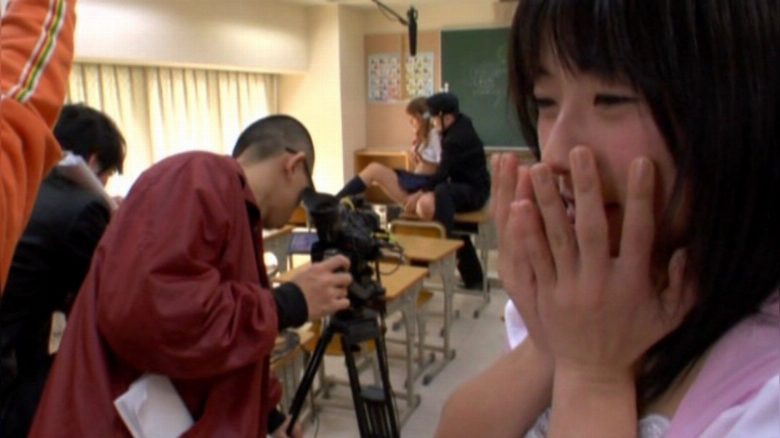
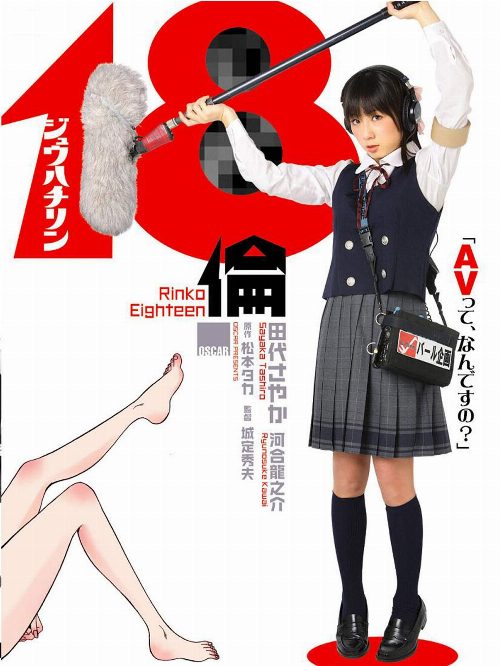
What happens when an innocent 18-year-old girl has to work in the adult video industry? Find out the hilarious results in Rinko Eighteen, based on the comic by Matsumoto Taka. In her first starring role, gravure model Tashiro Sayaka stars as Rinko, an aspiring doctor who returns home to find out that her father is bankrupt and has divorced her mother. With nowhere to go, Rinko signs up for the first job she finds, which turns out to be a production assistant at an adult video production company. Naturally, nothing can possibly prepare her for the work waiting for her at her new job…
Navigating the intersection of youthful ambition and the absurd realities of the adult entertainment industry, Rinko Eighteen serves as a quintessential example of the quirky, character-driven comedy that flourished in Japanese cinema during the late 2000s. Based on the manga by Matsumoto Taka, the film centers on a young woman whose dreams of a medical career are abruptly derailed by her family’s financial collapse. Instead of a traditional coming-of-age journey, the narrative leans into the chaotic comedy of errors that ensues when she lands a position as an assistant at an adult film studio. While the premise could easily veer into salacious territory, the film maintains a surprisingly lighthearted tone, focusing more on the protagonist’s resilience and the colorful, eccentric personalities she encounters in her unconventional workplace.
For fans of Indian cinema who appreciate the tonal shifts seen in regional comedies like those from the Telugu or Malayalam industries, this film offers a similar blend of slapstick humor and heartfelt struggle. It captures the essence of a fish-out-of-water story, where the protagonist must reconcile her sheltered upbringing with a professional environment that defies all her expectations. The casting of Sayaka Tashiro, a recognizable figure in the gravure modeling scene at the time, was a calculated choice that added a layer of meta-commentary to the production. Her performance grounds the film, ensuring that the audience remains connected to Rinko even as the situations around her become increasingly bizarre. It is a testament to the versatility of Japanese genre cinema that such a high-concept premise is treated with a mixture of observational humor and genuine empathy.
Viewers who enjoy character-focused dramedies that prioritize situational irony over high-stakes drama will find plenty to admire here. The film functions as an exploration of how quickly life plans can change and how one finds their footing when forced into a world they never intended to inhabit. It remains a notable entry for those interested in the transition of manga properties to the big screen during that era, showcasing a specific brand of Japanese humor that relies heavily on physical comedy and fast-paced interactions. Whether you are a regular consumer of international cinema or simply curious about the idiosyncratic storytelling styles of 2009 Japan, this project stands as a curious, entertaining look at the unpredictability of early adulthood. It is a reminder that sometimes the most memorable career paths are the ones we never planned for in the first place.