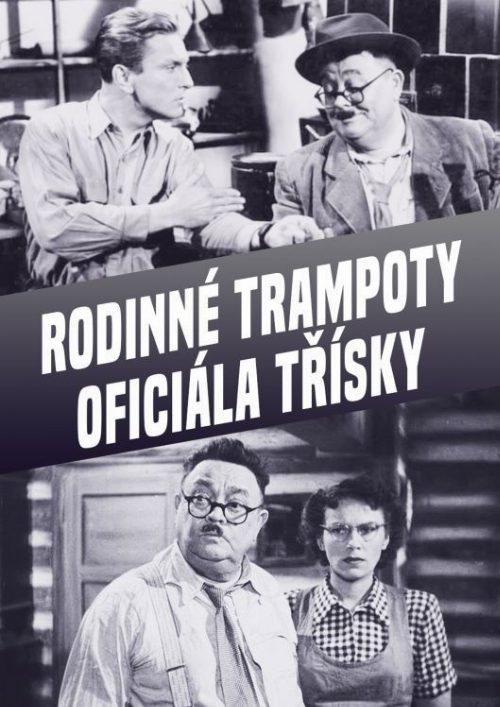
About Rodinné trampoty oficiála Tříšky
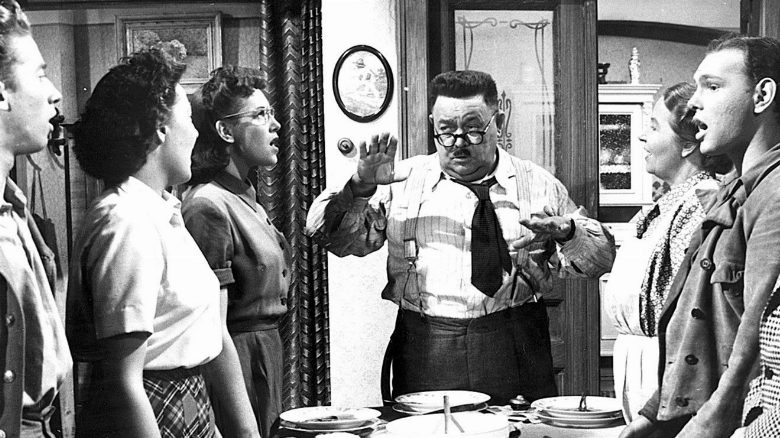
The plump, punctual and slightly despotic Mr. Tříška worked as a housing officer, which completely damaged his psychological resilience, he is short-tempered and easily angered. The intended rest in the countryside, where he went with his whole family, however, turns out completely differently than he expected - because all the hardworking hands join together to ensure the fastest possible completion of the agricultural work, and there is also time left for his singing interests. And the main character is finally so carried away by the new environment that he eagerly joins in.
Stepping away from the rigid confines of mid-century bureaucracy, Rodinne trampoty oficiala Trisky offers a charming glimpse into the friction between urban professional life and the rustic pace of the Czechoslovak countryside. The film centers on a man whose career as a housing official has left him with a frayed temper and a personality defined by rigid, clockwork habits. When the narrative shifts from the suffocating pressure of his office job to the open air of a rural setting, the comedy thrives on the inevitable collision between his uptight nature and the communal warmth of agricultural life. Much like the lighthearted family dramas that resonate with Indian audiences for their focus on domestic dynamics and character transformation, this story finds its heart in the protagonist’s gradual softening as he abandons his desk for the soil.
Felix le Breux brings a nuanced physicality to the lead role, capturing the exhaustion of a man whose nerves have been worn thin by the administrative demands of a post-war society. The transition he undergoes is subtle yet satisfying, mirroring the broader cinematic trend of the era that sought to find beauty in collective labor and shared goals. While the film is rooted in a specific historical context of 1949, the underlying theme of finding one's humanity through connection with nature and community remains universal. Modern viewers who appreciate classic comedies featuring grumpy characters undergoing a change of heart will find much to admire in the way the plot balances individual frustration with the joys of singing and teamwork.
This film stands out for its straightforward approach to character development, prioritizing the warmth of human interaction over complex plot twists. It is an ideal recommendation for fans of regional Indian cinema who enjoy stories where the protagonist is forced to abandon their high-status role to rediscover simple pleasures. By focusing on the transformation of a man once defined by his temper, the film delivers a message of personal growth that feels authentic and earned. It serves as a gentle reminder that even the most stubborn officials can find rhythm in the fields when given the right environment, making it a timeless piece of storytelling that highlights the importance of balancing professional duty with the restorative power of a supportive family and a village song.
Cast(19)