
About Schedule for the Day After Tomorrow
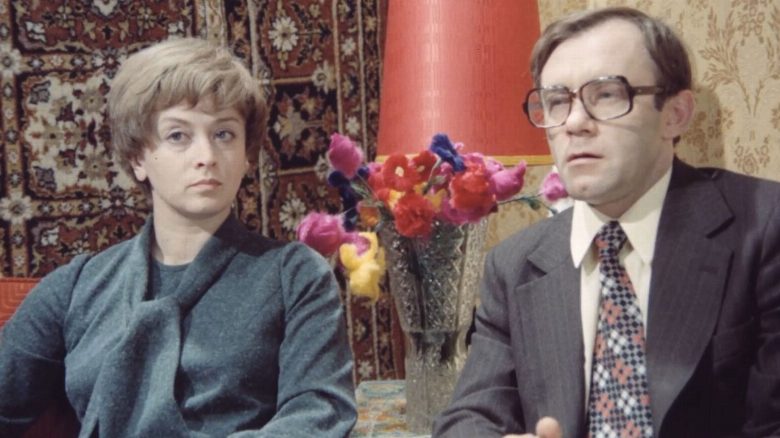
A literary teacher Antonina Sergeevna goes to work at an elite physical and mathematical lyceum from a regular school. She is surprised to see how respectful the students are here - as to full-fledged creative personalities. Soon she begins an affair with a young school principal - a talented physicist, candidate of science. But the euphoria of the first months of communication with students is replaced by disappointment - her pets turn out to be cold, rational people, almost indifferent to the beautiful ...
Stepping away from the melodramatic tropes often found in late seventies cinema, Schedule for the Day After Tomorrow offers a poignant examination of the friction between intellectual rigor and emotional intelligence. Directed by Igor Dobrolyubov, this Soviet-era drama captures a specific tension that feels remarkably resonant even today. The story follows a teacher who transitions from a standard educational environment to the rarified air of an elite school for math and physics, only to discover that high academic achievement can sometimes come at the cost of human warmth. While the film is rooted in a distinctly socialist educational context, its exploration of the isolation that accompanies extreme academic pressure mirrors themes frequently seen in modern coming of age dramas from industries like the Indian film sector, where the weight of parental and societal expectations often creates a similar existential crisis for young prodigies.
The film stands out for its refusal to paint its young protagonists as either heroes or villains. Instead, it presents them as products of an environment that prizes logical precision above all else. When the protagonist develops a personal connection with the school principal, the narrative shifts from a workplace drama into a deeper study of character. Viewers who appreciate slow burning psychological portraits will likely find the film compelling, as it avoids easy answers about whether a focus on scientific advancement must necessarily erode one’s capacity for empathy. The performances, particularly those portraying the students, serve to highlight the tragedy of youths who are encouraged to be thinkers before they have had the chance to be children.
For audiences who enjoy classic cinema that prioritizes thematic depth over spectacle, this feature is a rewarding watch. It occupies a unique space in the history of international drama, serving as a time capsule of an era where education was a central pillar of national identity. Fans of films that dissect the dynamics of mentorship and the inevitable disappointment of realizing that those we admire are just as flawed as ourselves will find plenty to analyze here. By grounding its intellectual inquiries in a relatable personal narrative, the movie remains a thoughtful critique of how we nurture, or perhaps neglect, the hearts of the next generation. It is a subtle, grounded piece of storytelling that invites reflection on the cost of excellence in any society.