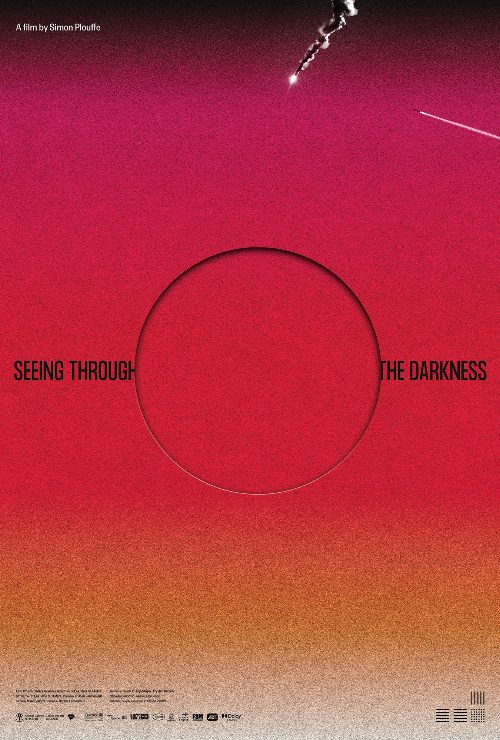
About Seeing Through the Darkness
The film follows five people who lost their sight in armed conflicts, gathering fragments of their present-day lives. Through an enveloping sound composition, veiled archival material, footage shot by the protagonists themselves, and a sensitive visual approach, the film explores memory, perception, and our relationship to the visible. Steering away from spectacle, it invites us to hear what often goes unheard, and to feel differently. In an age saturated with images, this documentary offers a sensory experience where listening becomes a gesture of resistance and human reconnection.
The cinematic landscape of 2025 is dominated by high-octane blockbusters and pixel-perfect spectacles, yet Seeing Through the Darkness arrives as a quiet, profound intervention that demands we recalibrate our senses. This British documentary eschews the traditional tropes of war reportage, choosing instead to focus on the intimate, internal landscapes of five individuals whose vision was stolen by global conflicts. By centering the experiences of those who navigate the world without sight, the filmmaker crafts a narrative that feels less like a historical record and more like a meditative exploration of human endurance. It is a bold departure from the visual noise of contemporary media, positioning itself as an essential watch for cinephiles who appreciate non-fiction storytelling that prioritizes emotional texture over graphic depiction.
For audiences accustomed to the vibrant, high-energy narratives common in the Indian film industries, this documentary offers a starkly different aesthetic language. While Tollywood and Bollywood productions often utilize maximalist visual storytelling to drive their emotional beats, this film functions through a minimalist, deeply personal lens. The use of self-recorded footage from the protagonists adds a layer of raw, unfiltered authenticity that bridges the gap between the observer and the observed. It challenges the viewer to engage with the medium of cinema not just as a visual feast, but as an auditory and cognitive experience. The sound design plays a pivotal role here, acting as a bridge to understanding how memory and perception shift when the physical world is obscured.
This film is perfectly suited for viewers who gravitate toward slow cinema or investigative documentaries that probe the philosophical underpinnings of trauma. It does not seek to provide easy answers or traditional catharsis; instead, it invites us to contemplate how we define reality in an era characterized by an relentless influx of digital imagery. By framing listening as a radical act of human connection, the documentary stands as a testament to the resilience of the human spirit. It is a piece of work that lingers long after the screen goes black, forcing a reconsideration of what it means to truly witness a story. Whether you are a fan of experimental filmmaking or simply a seeker of poignant human dramas, this project offers a rare, sensory-led journey into the unseen corners of the aftermath of war.