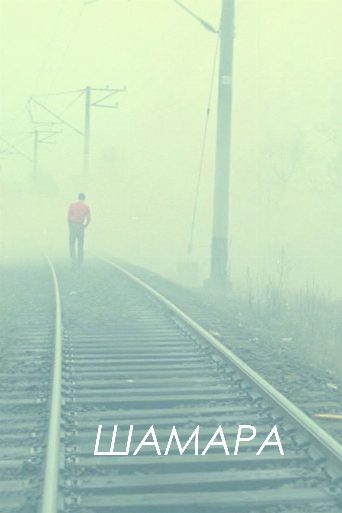
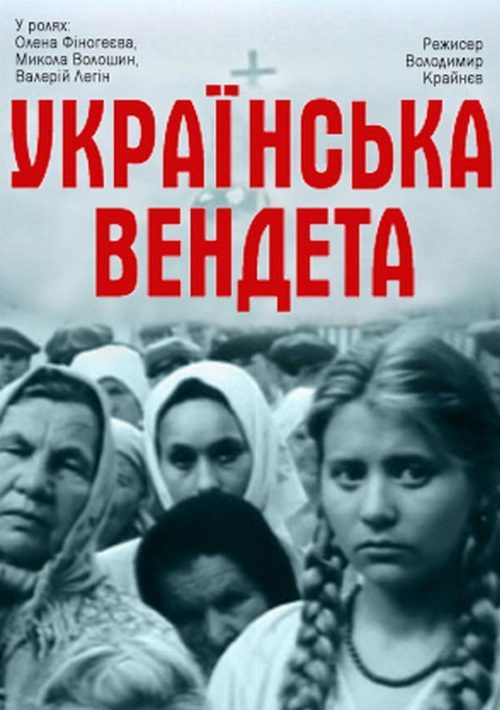
About Ukrainian Vendetta
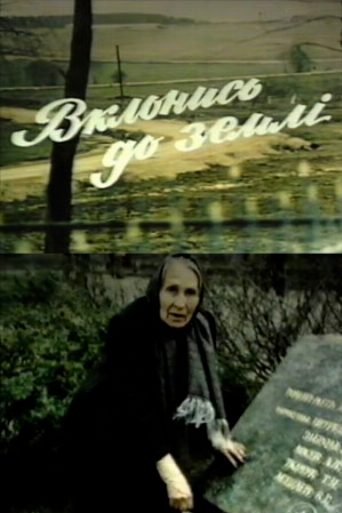
The Hitlerian army has merely encroached upon the territory of Ukraine, and the majority of the local people have been already ready to cave in to a new regime. The Ukrainian policemen have killed the boy. It is clear that there is no hope to expect the justice from the invaders, that’s why the killed boy’s mother declares the war on the hangsman.
Vladimir Krajnev delivers a visceral exploration of moral collapse and individual defiance in Ukrainian Vendetta, a 1991 production that captures the harrowing atmosphere of a nation under the shadow of occupation. Set during the early stages of a brutal military campaign, the narrative eschews the grand scale of traditional battlefield epics to focus on the intimate, suffocating reality of a village forced to contend with an encroaching regime. While many historical dramas emphasize the tactical maneuvers of armies, this film strikes a different chord by highlighting the complicity of neighbors and the chilling speed with which local social structures can disintegrate under the weight of fear. The story centers on a mother whose world is shattered by the senseless murder of her child at the hands of local collaborators, turning a personal tragedy into a singular, relentless quest for retribution against those who have abandoned their humanity to serve the invaders.
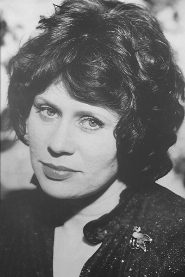
For audiences accustomed to the polished, high-budget spectacles of modern international cinema, this film serves as a stark, grounded reminder of the raw power of European historical realism. It stands out by refusing to offer easy answers or comforting heroism, choosing instead to linger on the psychological toll of living in a landscape where justice has been rendered obsolete. The performances, led by Olena Dranysh, anchor the film in a profound sense of mourning and resolve, transforming a simple premise into a haunting study of what remains of a person once everything they love is stripped away. The film feels particularly relevant today for viewers who seek stories that examine the intricate relationship between individual agency and the pressures of wartime occupation, offering a somber look at the costs of maintaining one's integrity when the rule of law has vanished.
This production is essential viewing for enthusiasts of gritty, character-driven dramas who appreciate narratives that prioritize emotional authenticity over conventional pacing. By choosing to spotlight the internal dynamics of a community under duress, Krajnev avoids the typical tropes of the genre and instead presents a chilling portrait of betrayal and resilience. It is a dense, emotionally demanding piece of work that benefits from its austere visual approach, effectively conveying the isolation of its protagonist as she navigates a world that has turned against her. Anyone interested in the history of Eastern European cinema will find this a compelling artifact of its era, capturing a specific moment of societal rupture with unflinching intensity and a focus on the enduring power of a mother's vengeance.
Cast(15)