
About Bow to the Ground
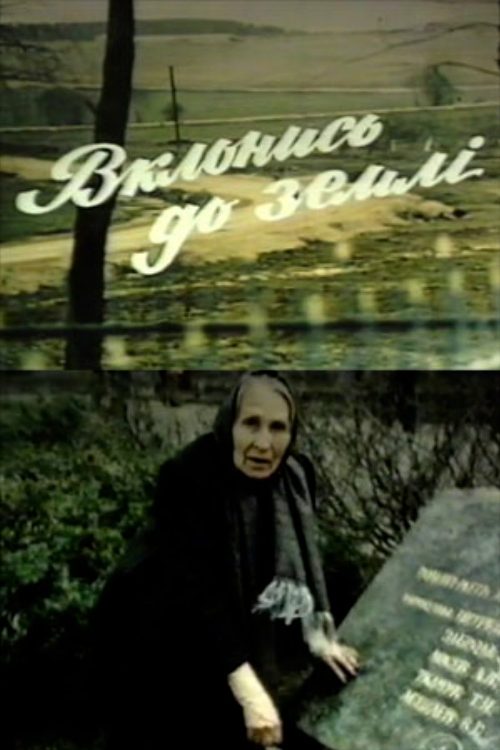
Mariia lost her husband and three children in the war. Having lost all her loved ones, she decided to help other victims of the bloodshed. Adopting three orphans, she moves far away from the places that awaken the pain of her lost family in her heart, and raises her new charges under a peaceful sky...
The haunting echoes of conflict often leave behind stories that prioritize quiet resilience over the thunderous spectacle of the battlefield. Bow to the Ground, a 1986 production from the Soviet Ukrainian film industry, offers a profound meditation on the aftermath of tragedy, shifting the focus from the front lines to the long, arduous road toward healing. While contemporary Indian cinema frequently explores the domestic toll of migration and historical upheaval through the lenses of Tollywood or Malayalam dramas, this film serves as a poignant reminder of how universal the search for domestic stability becomes after total catastrophe. It captures a specific mid-eighties aesthetic that prioritizes atmospheric storytelling and character-driven stakes over the more frenetic pacing we see in modern global blockbusters.
The narrative centers on a woman named Mariia, whose life has been hollowed out by the loss of her entire immediate family. Rather than succumbing to the paralysis of grief, the protagonist chooses a path of radical empathy by opening her home to three orphaned children. The decision to relocate to a setting far removed from her traumatic memories acts as a visual metaphor for the desire to outrun one’s past. For viewers who appreciate the slow-burn emotional depth found in the works of directors like Satyajit Ray or the more contemplative side of recent Hindi parallel cinema, this film provides a similarly textured experience. It is less a traditional war film and more a study of motherhood as an act of defiance against the cruelty of history.
This film is particularly well-suited for audiences who find intellectual and emotional satisfaction in character studies that eschew melodramatic tropes. The performances, led by Nadezhda Markina, anchor the film in a raw, unvarnished reality that avoids sentimentalizing the heavy themes of displacement and recovery. By examining the way a shattered life finds purpose in the care of others, the story transcends its specific mid-eighties context to address the timeless human need for communal connection. It stands as a testament to the fact that peace is not merely the absence of combat, but the active, daily labor of rebuilding a future from the debris of the past. Those who look for cinema that balances historical gravity with an intimate, deeply personal perspective will find this an essential piece of world cinema to revisit.
Cast(13)