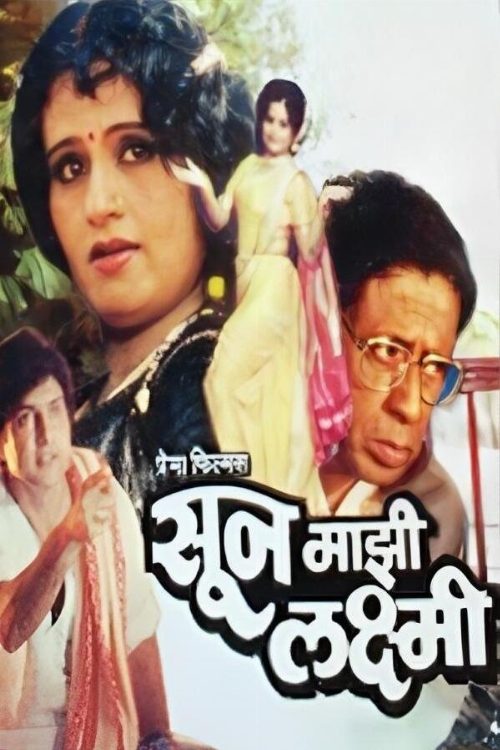
Soon Mazi Laxmi(1981)
About Soon Mazi Laxmi
A young wrestler falls in love with a folk dancer. However, their relationship soon begins to take a toll on his equation with his family.
The Marathi cinema landscape of the early eighties remains a fascinating chapter of regional storytelling, often characterized by a gritty realism that balanced theatrical charm with deep social observation. Soon Mazi Laxmi captures this transitional era perfectly, grounding its narrative in the earthy, high-stakes world of traditional wrestling rings and the vibrant, rhythmic energy of folk performance. By anchoring the plot in the friction between these two distinct cultural expressions, the film avoids becoming a simple romantic melodrama. Instead, it functions as a study of identity, familial duty, and the clashing values that often defined rural Maharashtra during that period. The presence of iconic actors like Nilu Phule and Jayshree Gadkar elevates the material, ensuring that even the most domestic conflicts carry the weight of a larger moral struggle.
Watching this film today offers a window into a time when Marathi cinema was successfully navigating the bridge between stage-inspired acting styles and the more intimate demands of the silver screen. The central tension, pitting a young athlete against the conservative expectations of his household due to his romantic choices, is a classic trope that the filmmakers treat with notable sincerity. While the premise may sound familiar to fans of traditional Indian drama, the execution relies heavily on the authentic chemistry of its lead cast and a rhythmic pacing that mirrors the intensity of the wrestling arena. For viewers interested in the evolution of regional Indian narratives, this movie serves as a compelling artifact that highlights how personal desires were frequently depicted as a threat to the stability of the traditional joint family structure.
Audiences who appreciate vintage cinema that prioritizes character-driven conflicts over spectacle will find much to admire here. The film is tailored for those who enjoy exploring the social fabric of eighties India, where the influence of folk art forms like Tamasha often intersected with the rigid codes of village life. By positioning the protagonist at the crossroads of his own ambition and his family heritage, the director creates a scenario that feels both intimate and culturally resonant. Whether you are a dedicated follower of Marathi film history or someone seeking a nostalgic dive into a period when character actors were the true backbone of the industry, this production offers a balanced, engaging, and deeply human look at the cost of following one's heart in a world governed by tradition.